

Choose by what you actually need, not by packaging
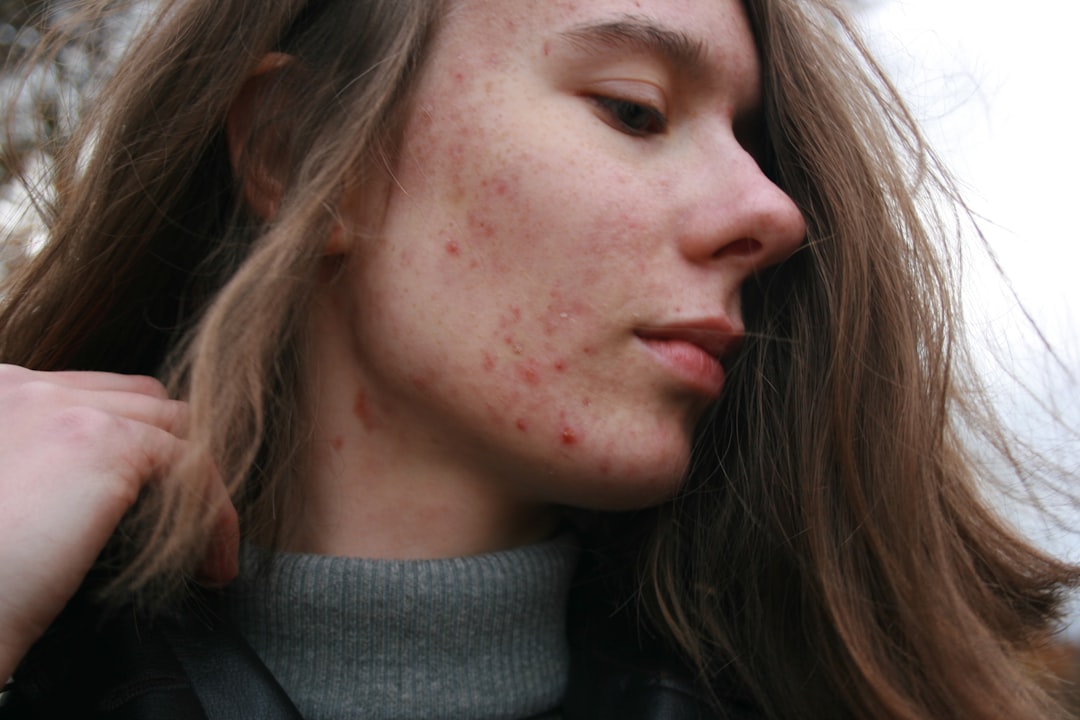
Most of us face the same moments: a swollen red spot the morning of an event or a slower, stubborn under-the-skin bump that lingers for weeks. If you’re weighing acne patches vs creams, start by matching the product to the lesion and your goals: do you need quick flattening and protection, or gradual comedone clearing and prevention? The clearest answer often comes within the first two minutes of inspection.
Decision criteria that matter
- Lesion type: inflamed (red, painful, pus) vs non‑inflamed (whitehead, closed comedo, cyst)
- Speed: immediate visible flattening vs long-term reduction in recurrence
- Skin sensitivity and interaction with other actives (retinoids/benzoyl peroxide)
- Daily life constraints: can you wear a visible patch? Are you comfortable with multi-week topical routines?
- Risk tolerance for scarring/post‑inflammatory hyperpigmentation
How acne patches work and when they win
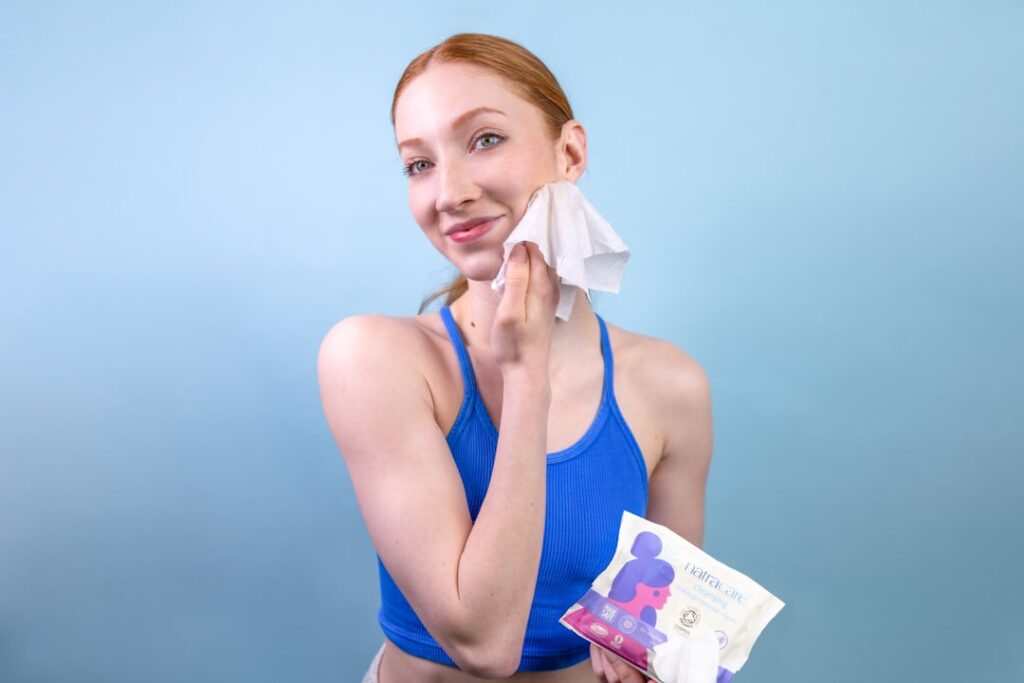
Hydrocolloid acne patches (the common “spot patch”) absorb exudate, protect the area from picking and bacteria, and create a moist microenvironment that can speed healing of superficial pustules and whiteheads. Many modern patches also include salicylic acid, niacinamide, or tea tree in thin formats for extra action.
Use patches when:
- You have a surfaced whitehead or a small pustule you don’t want to pick.
- You need fast, visible flattening within hours to a day (events, meetings).
- You want a physical barrier to stop touching and to reduce infection risk.
Limits: patches do little for deep, under‑skin cysts or comedones. They won’t prevent new lesions across the T-zone or replace a nightly acne regimen.
How acne creams work and when they win
“Acne creams” span actives and mechanisms: benzoyl peroxide kills bacteria and reduces oil, salicylic acid exfoliates and clears pores, and topical retinoids (adapalene, tretinoin) normalize cell turnover and prevent comedones. These products work over days to weeks rather than hours.
Use creams when:
- You’re treating non‑inflamed comedones or preventing new breakouts.
- You can commit to daily application and tolerate potential initial irritation.
- Your goal is to reduce recurrence and improve skin texture long term.
Limits: creams can irritate sensitive skin, and some (benzoyl peroxide) bleach fabrics. They’re slower to show improvement and don’t physically protect a single lesion from touching.
Trade-offs: speed vs permanence, spot care vs skin care
Think of patches as rapid, localized first aid and creams as the maintenance program. If a patch flattens a pimple overnight, that’s immediate cosmetic success; but if you have repeated breakouts in the same area, you need a cream (retinoid or BPO) to address the underlying follicle process.
Combination wins: apply a cream regimen for baseline control, and reserve patches for breakthrough lesions or when you need to hide a blemish. Be mindful of layering—don’t apply an occlusive patch over a wet topical and expect equal effectiveness.
Which option fits your skin type and lifestyle?
Oily, acne-prone skin with frequent comedones
Prioritize a topical regimen with an evidence‑based active: topical retinoid (adapalene) nightly plus spot benzoyl peroxide when inflamed. Keep patches for surfaced pimples. If you want a product now, the Differin Acne Kit is a strong match for starting a retinoid regimen.
Sensitive or reactive skin
Start with low‑irritant options: lower‑concentration salicylic acid or gentler entrées, and use patches for inflamed spots to avoid layering irritants. Avoid combining strong retinoids and benzoyl peroxide without guidance; introduce one active at a time.
Someone who needs quick results for events
Patches are ideal overnight. Choose clear, thin hydrocolloid patches if you’ll be out during the day; opaque thicker patches can work overnight but show more visibly.
Deep, painful cysts or nodules
Neither over‑the‑counter patch nor cream reliably resolves deep cysts quickly. Creams with prescription retinoids help long term; severe cysts may need clinic treatments (injectable steroids, oral meds). Consider seeing a dermatologist if cystic lesions recur.
Practical application tips and common mistakes
- Clean and dry the spot before applying a patch; oil will reduce adhesion.
- Don’t pick: patches lower scarring risk by preventing manipulation.
- If you apply a drying spot treatment (BPO/salicylic) overnight, wait until it dries before covering—wet product under an occlusive patch increases irritation risk.
- Introduce a retinoid slowly (every other night) to reduce flaking and redness.
- Patch a whitehead rather than trying to extract it; extraction by unskilled fingers often worsens inflammation.
Quick product guidance from the store catalog
For immediate spot protection and flattening, the top-rated hydrocolloid option is Mighty Patch Original (ID 939). For starting or maintaining an everyday topical routine to prevent comedones, the Differin Acne Kit with adapalene gel (ID 922) fits the purpose as a foundational retinoid option.
When to see a professional
See a dermatologist if acne is widespread, forming deep nodules, leaving persistent marks, or if over‑the‑counter approaches cause severe irritation. A pro can prescribe oral or higher‑strength topical therapies and offer in-office procedures that neither patches nor OTC creams provide.
- Identify whether the lesion is surfaced (use patch) or deep (consider creams/derm).
- Check if you’re already on a retinoid or benzoyl peroxide and adjust layering carefully.
- Confirm allergy or sensitivity to adhesives or actives before trying patches/creams.
- Have a daytime cosmetic plan (clear patch vs makeup) for visible spots.
- Track frequency of breakouts—if recurring, prioritize a maintenance cream regimen.
Pick acne patches for fast, localized management and to stop picking; rely on acne creams (retinoids, BPO, salicylic acid) for long‑term control and prevention. Use both together thoughtfully: cream for baseline care, patches for emergency cosmetic fixes.
Can I use an acne patch over a benzoyl peroxide spot treatment?
Avoid placing a patch on still‑wet product—let the topical dry fully first. Occluding wet benzoyl peroxide can increase irritation and reduce adhesion.
Do patches work on cystic acne?
They help protect from picking but usually won’t resolve deep cysts; see a dermatologist for cystic acne management.
How long should I leave an acne patch on?
Leave hydrocolloid patches in place until they turn opaque or for a full 8–12 hours; overnight use is common. Replace with a fresh patch if needed.
Will acne creams bleach my sheets or pillowcase?
Benzoyl peroxide can bleach fabrics—avoid direct contact or use white pillowcases and wash hands after application.
Can I use patches and a retinoid in the same routine?
Yes: use patches for individual surfaced spots and retinoid creams nightly for overall control, but don’t layer heavy occlusives over irritated skin.