

Start with one realistic daily habit that you will actually keep
The single most useful change: pick one short, specific at-home self-care routine you can do every day—3–10 minutes in the morning or evening—and commit to it for two weeks. This builds momentum and shows whether the ritual fits your life. The phrase to aim for is an at-home self-care routine; keeping it tiny makes it sustainable.
Design a routine around the result you want
Decide what “better” means to you right now: less stress, clearer skin, more energy, better sleep, or small indulgence. Your goal determines the structure. For stress relief, center on breathing and a 5-minute evening ritual; for skin health, prioritize consistent cleansing and a targeted moisturizer each morning and night.
Build a practical framework: morning, midday, evening
Use this sequence as a template and adapt timing to fit your day.
- Morning (5–15 minutes): wake, hydrate with water, two minutes of movement (stretching or walking in place), quick face routine (cleanser + sunscreen or a lightweight moisturizer). This kick-starts energy and cues your brain that the day has begun.
- Midday reset (2–10 minutes): a short break—tea, a breathing exercise, or a hand/foot massage with a nourishing cream. Useful on workdays to break prolonged sitting and reset focus.
- Evening wind-down (10–30 minutes): turn off screens 30–60 minutes before bed if possible, wash your face, apply any targeted treatments, and do a calming ritual (reading, journaling, bath, or a brief body stretch).
Choose a small set of reliable products and tools
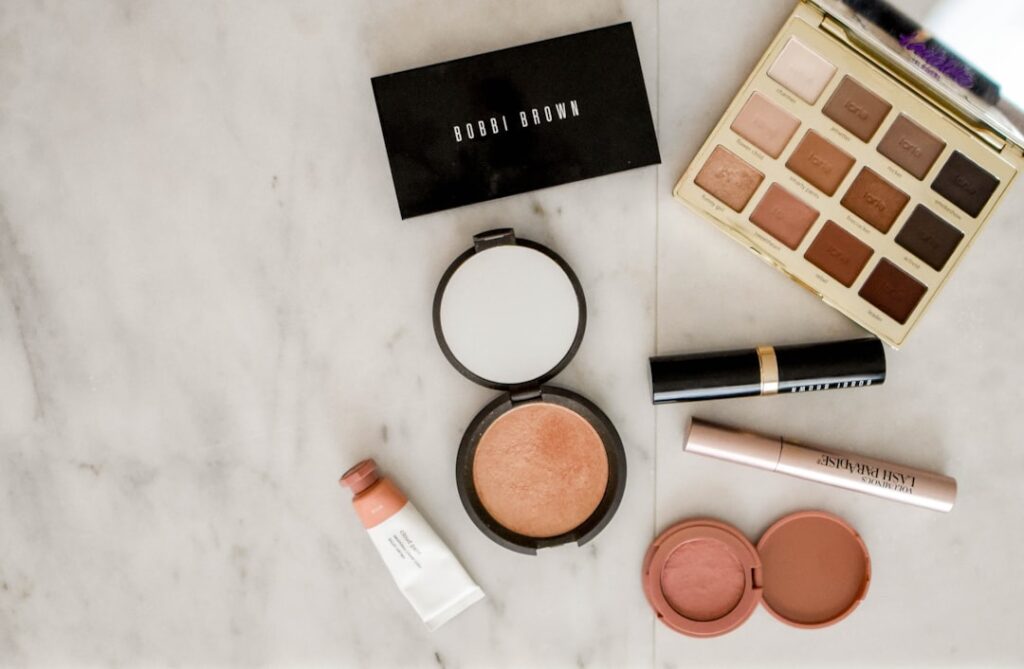
Less is more: pick 3–6 items that solve the specific needs in your plan. If hydration and skin health are goals, choose a gentle cleanser, a daily moisturizer, and an eye cream or treatment. For weekly rituals, add a facial steamer or a nourishing body oil.
One solid option from the store that fits many at-home self-care routines is the CETAPHIL Deep Hydration Face Cream—use it after cleansing for daily hydration and a simple, no-fuss finish.
Simple sample routines you can copy
Quick morning boost (7 minutes)
- Drink a glass of water immediately.
- Two minutes of dynamic stretches (neck rolls, cat-cow, forward fold).
- Cleanse face, pat dry, apply a lightweight moisturizer with SPF or sunscreen.
- Set a single small intention for the day (one sentence in your head or a note in a journal).
Wind-down ritual for better sleep (15–25 minutes)
- Dim lights and prepare a warm cup of herbal tea.
- Warm shower or quick face cleanse; follow with a hydrating cream and a targeted night eye product.
- Five minutes of breathing or guided relaxation lying down, then write one short gratitude note.
Make time without overhauling your schedule
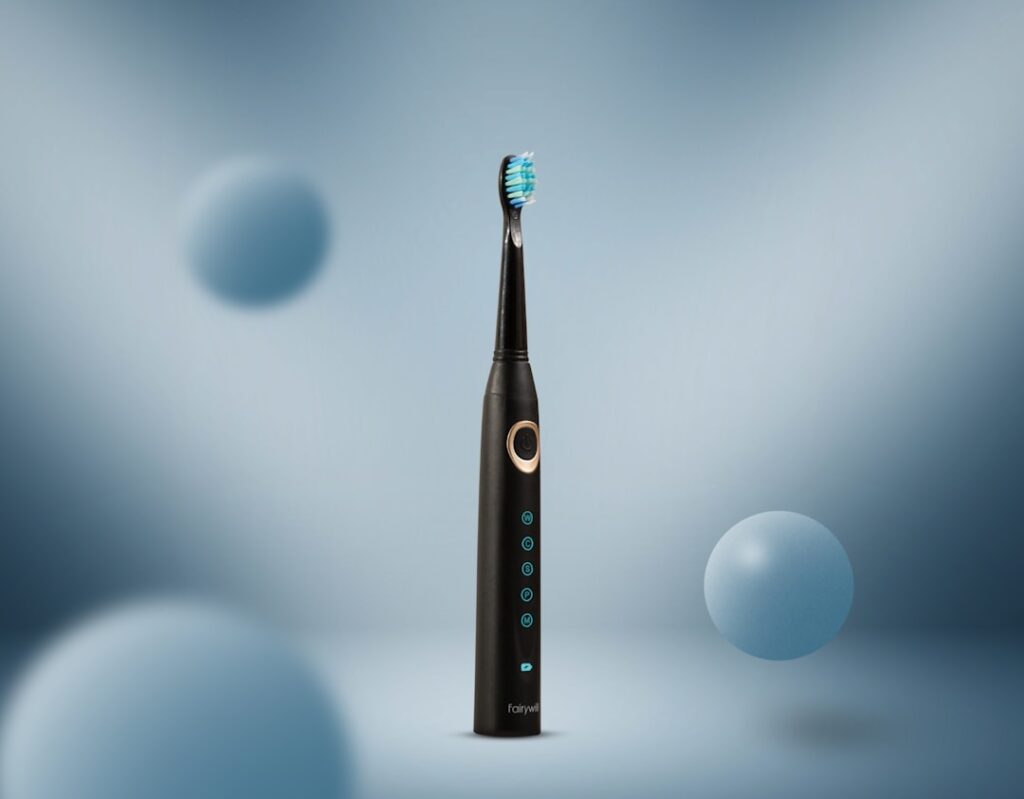
Attach new habits to existing anchors (after brushing teeth, during your morning coffee, or right after work). Anchoring lowers friction—much easier than declaring you’ll “find time.” If mornings are impossible, move the core habit to evening. The rule is consistency, not timing.
Small rituals that feel like self-care (even when short)
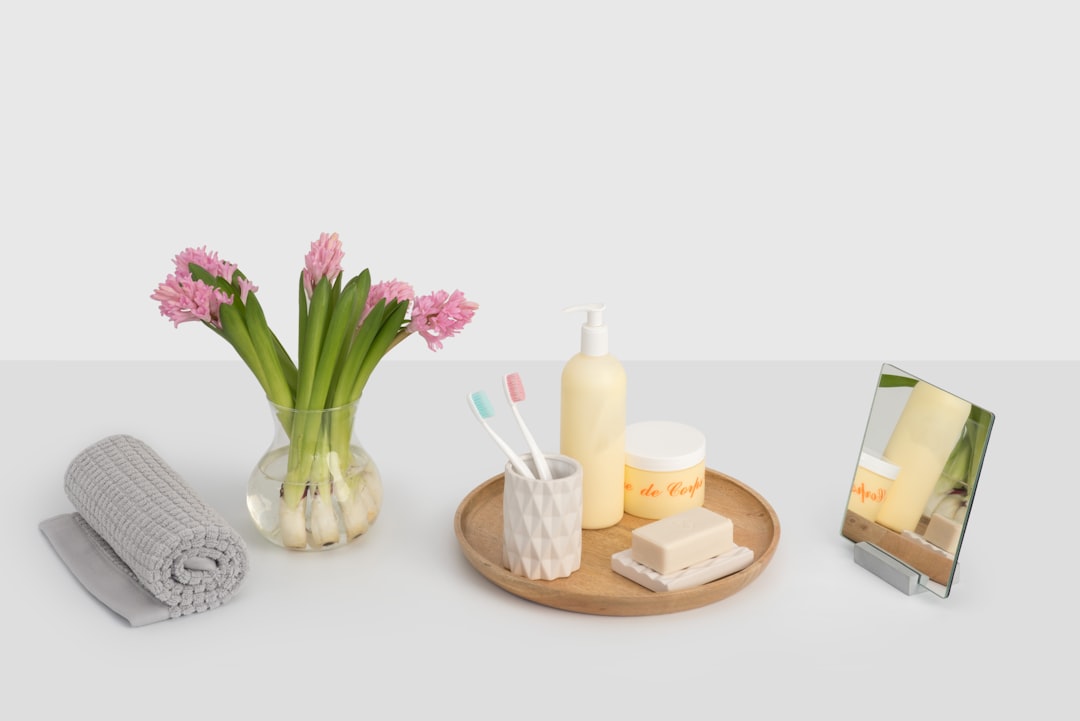
- Five-minute hand or foot massage with a rich cream—instant tactile comfort and care.
- Facial steam for five minutes once a week to help product absorption and relaxation.
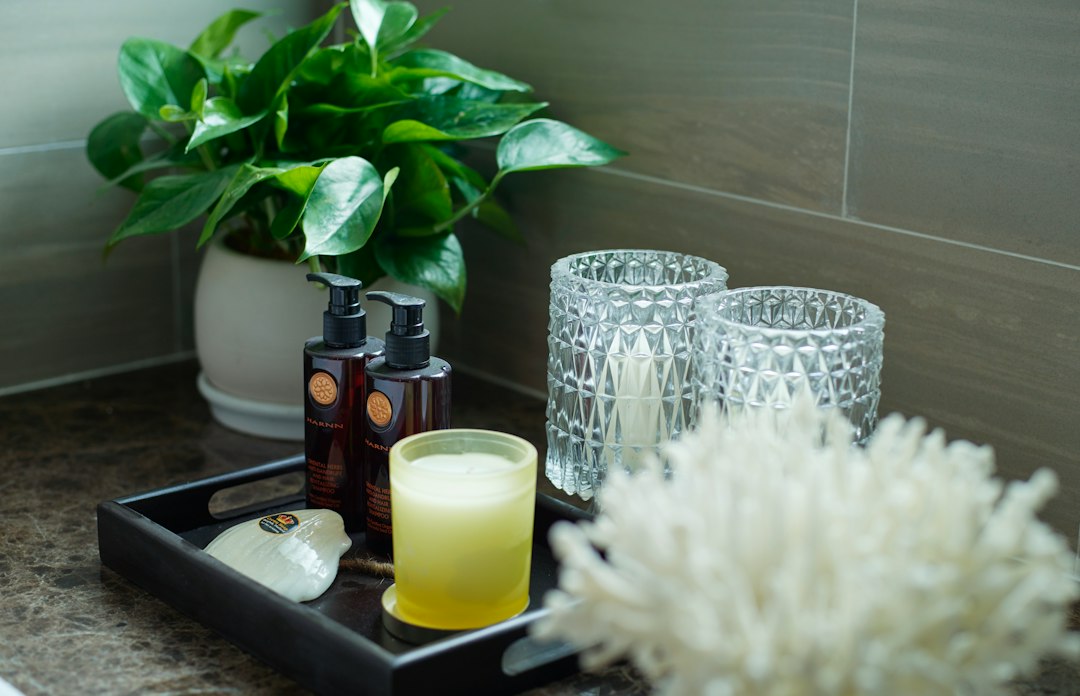
- Scent ritual: light a candle or use a diffuser with one calming scent to mark the transition to a self-care moment.
When life gets busy: adapt don’t abandon
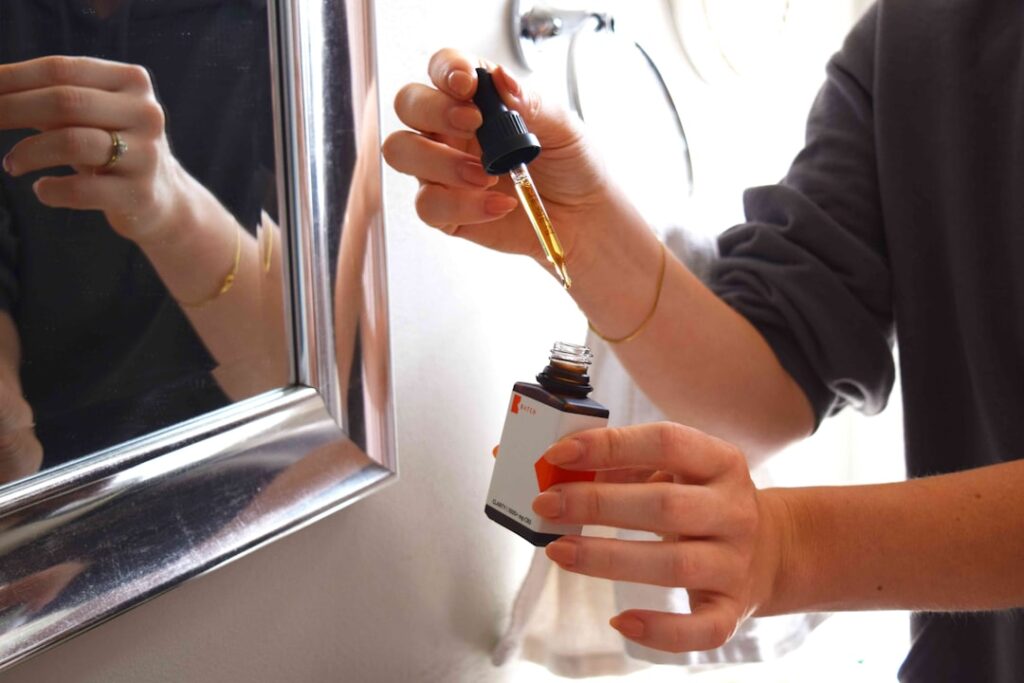
If you miss your usual window, do a “micro-routine”: 60 seconds of deep belly breaths, one glass of water, and one face wipe or splash. These micro-choices keep the habit alive without pressure. On travel days, carry a small multi-use product (a facial oil or a tinted moisturizer) and a travel-size hand cream to maintain the ritual.
[h2]Troubleshooting common roadblocks[/h2]- “I don’t have time”: Reduce the routine to a single action tied to a daily habit, like moisturizing after brushing teeth.
- “It feels pointless”: Reassess the goal—switch to a different outcome (energy vs. appearance) and try a two-week trial to judge value.
- “I forget”: Use phone reminders or place products where you’ll see them (by the kettle or next to your toothbrush).
How to measure progress without obsessive tracking
Pick one simple measurable: days completed per week, improved sleep duration, or how your skin looks/feels after two weeks. Track in a notebook or on your phone—short notes beat vague impressions.
One product decision to make now
Choose between a daily maintenance product (moisturizer or SPF) and an indulgent weekly item (facial steamer or body oil). If you struggle with consistency, prioritize the daily item—regular small wins are more effective than occasional luxuries.
- Pick one brief daily habit and commit for two weeks.
- Choose 3–6 core products that match your main goal.
- Anchor the habit to an existing daily routine (brush, coffee, commute end).
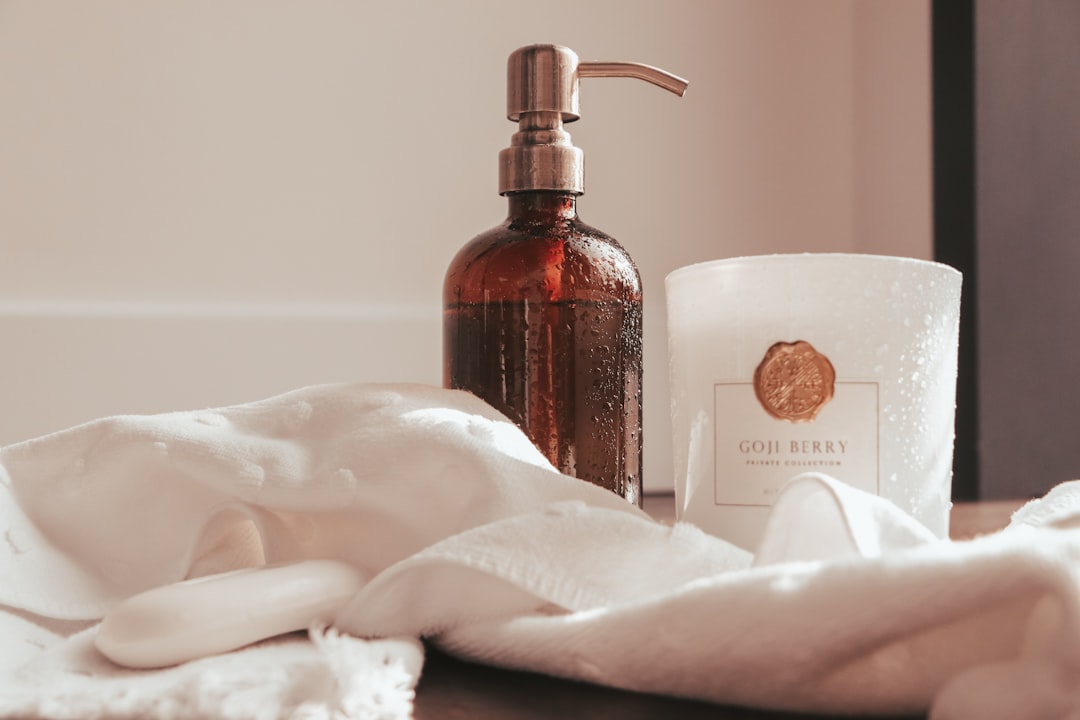
- Create a visible setup (tray or shelf) so products prompt action.
- Plan one 15–30 minute weekly ritual that feels indulgent.
Start tiny and specific: one brief daily ritual plus one weekly ritual is the fastest path to a better at-home self-care routine. Prioritize consistency over complexity, choose a few reliable products, and anchor your habit to an existing daily moment.
How long should an effective at-home self-care routine take?
Most effective routines are short: 3–15 minutes daily for maintenance, plus one 15–30 minute weekly ritual. The key is regularity, not duration.
What are good products to start with?
Begin with a gentle cleanser, a moisturizer (with SPF for mornings), and one targeted treatment such as an eye cream. The CETAPHIL Deep Hydration Face Cream is a reliable daily moisturizer option.
Can I combine self-care with family or roommate time?
Yes—shared rituals like a short walk or a tea break can count as self-care while also reinforcing social connection and accountability.
How do I keep the routine when traveling?
Pack travel-size versions of your core products and identify a two-minute ritual you can perform in any hotel or guest room (hydration + brief facial cleanse or stretch).