

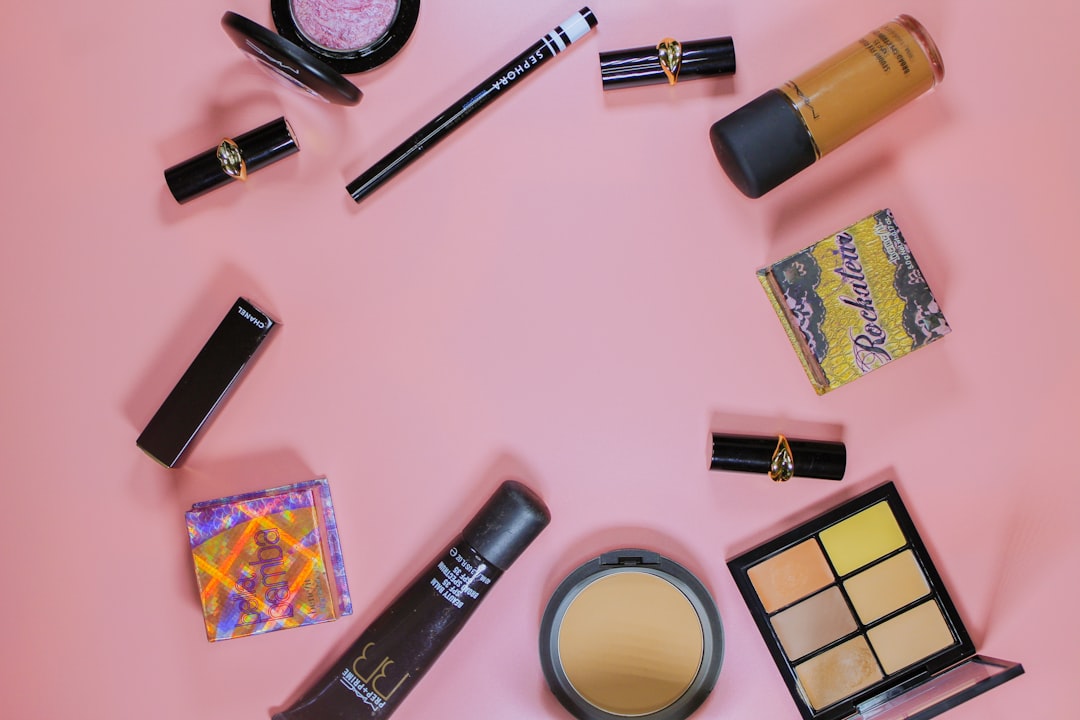
Start with the question that matters: what will you actually use?
Most beginners imagine a long list of products, but practical value matters more than variety. A reliable "beginner makeup kit" focuses on items that solve visible problems (even out skin, hide redness, define eyes and brows, add color) and that are quick to use. Skip specialty items—glitter pigments, multiple contour sticks, elaborate palettes—until you know which looks you enjoy and will repeat.
Quick answer: the 7 essential products to buy first
These seven items cover everyday needs without complicating your routine:
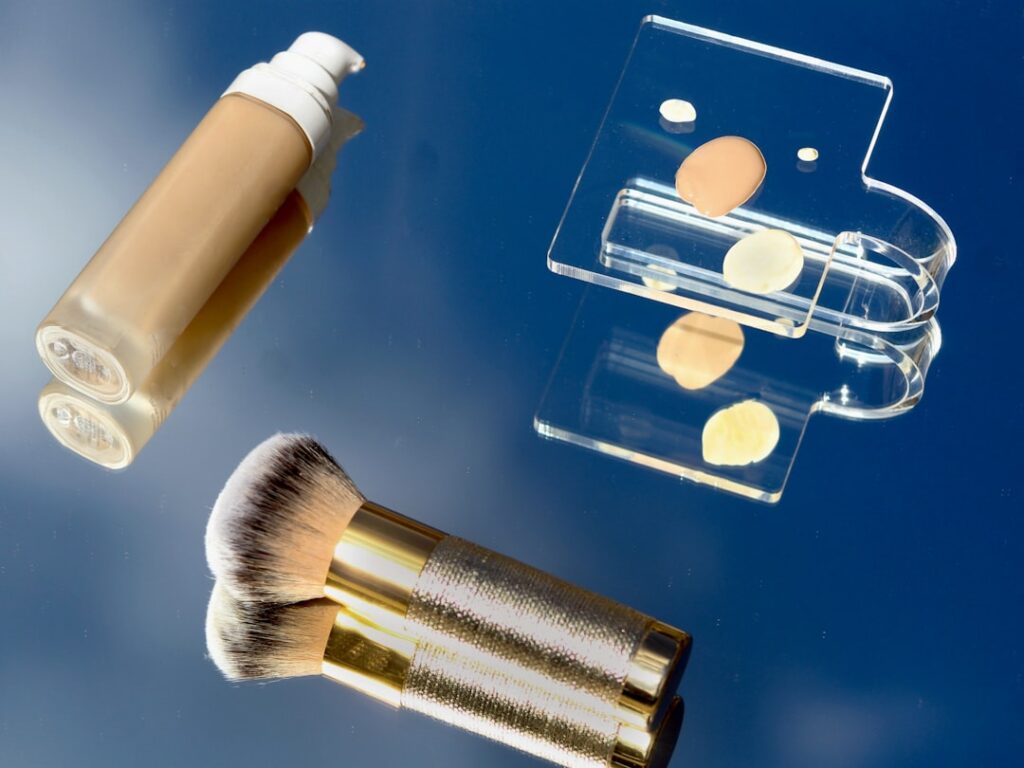
- Face base: tinted moisturizer or light foundation
- Concealer for localized coverage
- Powder (pressed or translucent) to set key areas
- Neutral eyeshadow or a small eyeshadow duo
- Mascara
- Brow pencil or tinted brow product
- Lip color (tinted balm or easy-to-wear lipstick)
Each is explained below with practical buying advice and usage tips.
Face base: tinted moisturizer vs light foundation
Choose one. Tinted moisturizer or a BB/CC cream is forgiving, quick, and gives sheer to light coverage—ideal if you want a natural finish. A light foundation provides more evenness and longer wear if you have visible discoloration or prefer a polished look.
How to pick: match shades on your jawline in natural light, and consider your skin type—matte foundations for oily skin, hydrating/tinted formulas for dry skin. Focus on one shade that matches your face, not your wrist.
Concealer: where to use it and what to buy
Concealer’s job is targeted: under-eye shadows, blemishes, or redness around the nose. Pick a concealer one shade lighter for under-eye brightening and a shade that matches your foundation for spot coverage. A small tube or stick is easier to control than a large pot for beginners.
Powder: why a light dusting helps
Powder is less about full-face mattifying and more about setting problem areas—typically the T-zone and under-eye concealed areas. Choose a translucent pressed powder if you want something universally flattering, or a finely milled skin-toned compact if you prefer light coverage. Use a small fluffy brush or a puff for the under-eye to avoid cakiness.
Simple eyes: one neutral eyeshadow or a tiny palette
Rather than buying a large palette, pick a neutral eyeshadow duo or trio: a matte base, a medium crease shade, and an optional shimmer for the lid. Matte browns and soft taupes flatter most eye colors and are forgiving to blend. Learn one simple routine: lid color all over, slightly darker shade in the crease, blend.
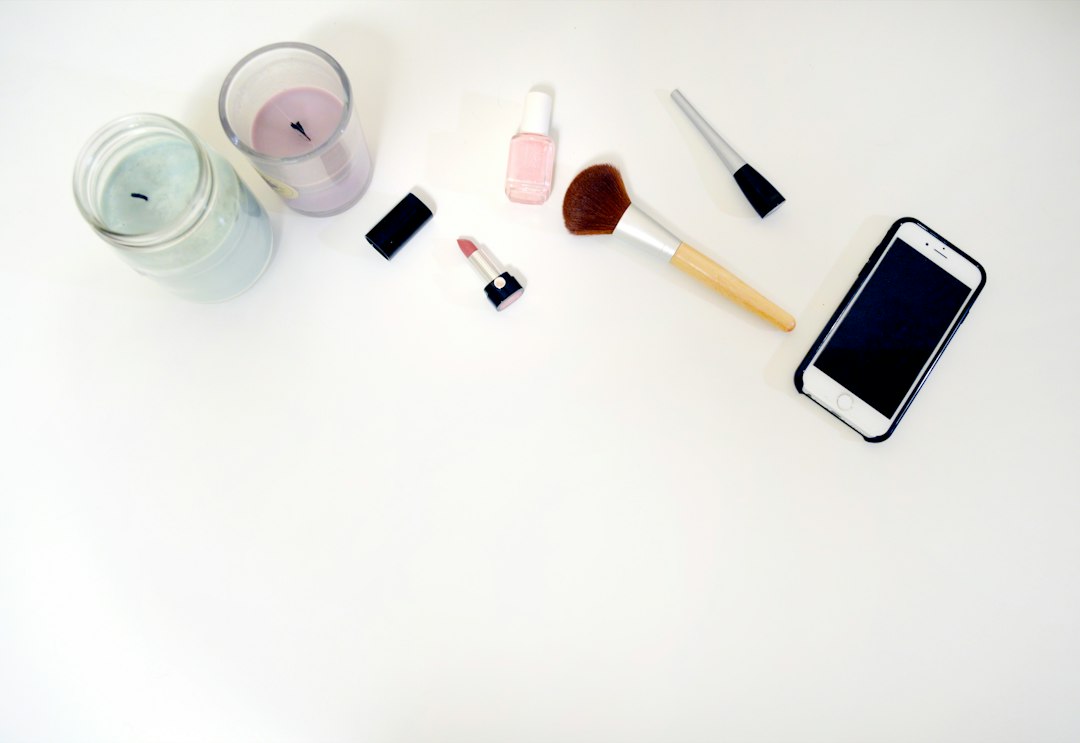
Mascara: the single most noticeable eye upgrade
Mascara changes your eyes more than most products. For beginners, choose one lengthening/volumizing formula in black or very dark brown. Practice wiggling the wand at the base of lashes and brushing upward—this separates and lifts without clumping. Replace mascara every 3–4 months for hygiene.
Brows: why a simple brow pencil beats complexity
Brows frame the face; small, natural adjustments make a big difference. A micro-tip brow pencil is easier for beginners than powders—use light, hairlike strokes to fill sparse areas, then comb with the built-in spoolie. Pick a color one shade lighter than your hair if you want a soft effect, matching if your brows are sparse and you need structure.
Lips: start with a multitasking option
A tinted balm or creamy lipstick is ideal for first purchases—it moisturizes, adds color, and requires little precision. Choose a shade close to your natural lip color (nude rose, warm berry) for versatility. If you want longer wear later, add a longwear liquid lipstick—but it’s not essential at the beginning.
Tools you actually need
Good tools improve finish without a big investment. Start with a small set of brushes—foundation or cream-product brush, a fluffy powder/bronzer brush, an eyeshadow blending brush, and a tapered concealer brush. A spoolie and a small angled brush for brows are useful. If you prefer, a dense sponge replaces a foundation brush for tinted moisturizers and concealers.
Why this brush set?
The MAANGE brush set gives a range of shapes so you can learn technique without buying individual brushes. Having the right shapes for blending and precise placement reduces mistakes and speeds application.
Makeup order and a five-minute routine
For beginners a short routine keeps results consistent:
- Moisturizer and SPF (or SPF in your base)
- Tinted moisturizer or foundation applied sparingly
- Concealer where needed, blended with a small brush or sponge
- Light sweep of powder on T-zone and under-eye
- One neutral eyeshadow and mascara
- Fill brows lightly and add lip color
- Optional: quick spritz of setting spray if you prefer
Common beginner mistakes and how to avoid them
- Buying too many shades: start with one face shade that matches your face and a single concealer strategy.
- Overpowdering: powder small areas, not everything—too much causes a cakey look.
- Skipping natural light checks: always check shade matches in daylight when possible.
- Not cleaning brushes: wash them every 1–2 weeks to prevent buildup and keep application smooth.
- Choose one face base: tinted moisturizer or light foundation
- Select a concealer for under-eye and spot use
- Buy one brush set with a face and a few eye brushes
- Pick one neutral eyeshadow and a mascara you can apply comfortably
- Get a brow pencil and a multitasking lip tint
Build a compact beginner makeup kit around coverage (tinted moisturizer/foundation + concealer), definition (brows + mascara + a neutral eye shade), and one lip product. Invest in a small, versatile brush set and practice a short, repeatable routine to learn what you like.
Do I need primer as a beginner?
No—primer helps specific issues like large pores or longevity, but it’s optional. Start without it and add one only if you notice your makeup doesn’t last or your texture needs smoothing.
How many shades of foundation should I buy?
Buy one shade that matches your face for daily wear; consider a second seasonal shade only if your tone changes visibly between seasons.
What’s easier to learn: liquid lipstick or tinted balm?
Tinted balm is much easier—hydrating, forgiving, and requires less precision. Liquid lipstick offers long wear but needs practice and touch-ups for a clean edge.
How often should I clean my brushes?
Wash face brushes weekly if you use cream or liquid products; every 1–2 weeks for powder tools. Sponges should be washed after each use and replaced regularly.
Can I skip eyeshadow as a beginner?
Yes—mascara and groomed brows alone provide a polished look. A single neutral shadow is useful but not mandatory.