

You’ve tried serums and biotin—now there’s a bottle labeled “hair growth.” What should you actually buy?
Imagine standing in front of the bathroom mirror holding a small bottle promising fuller hair. Labels mix clinical words (peptides, keratin) with buzzy claims (stimulates growth, reduces shedding). The sensible question most shoppers skip is: what do I need this oil to do for my scalp and routine? Start there—this guide explains which ingredients and product types matter, how to match them to your scalp and styling needs, and practical checks to make before you buy.
What “hair growth oils” really do—and what they don't
Most oils marketed for growth support hair health rather than miraculously regrow follicles. Oils can:
- Improve scalp condition by sealing in moisture and protecting the skin barrier.
- Reduce breakage by smoothing hair cuticles and adding slip during styling.
- Deliver small amounts of active compounds (e.g., plant sterols, antioxidants) to the scalp that might support a healthier environment for follicles.
They rarely increase follicle count. If you’re dealing with patterned hair loss or a medical condition, oils can be a complementary step but not the sole solution.
Primary factors to decide before buying hair growth oils
Organize your decision by three priorities: scalp health, hair strength/protection, and convenience/style. Pick the highest priority and evaluate oils against it.
1. Scalp type and sensitivity
Identify whether your scalp is oily, dry, normal, or sensitive. That dictates oil weight and frequency:
- Oily scalp: choose lighter, fast-absorbing oils (e.g., jojoba, grapeseed) and use sparingly—focus on scalp serums rather than heavy coatings.
- Dry/scaly scalp: heavier, occlusive oils like castor or a blend with coconut can help hydrate and reduce flaking when used 1–2× weekly.
- Sensitive/scalp with dermatitis: avoid strong essential oils; look for simple, single-ingredient carrier oils and patch-test first.
2. Hair texture and breakage risk
Fine hair easily weighed down; coarse or curly hair benefits from richer oils to reduce breakage. If your top concern is hair breakage or split ends, choose an oil with both conditioning benefits and slip (argan, marula, or a silicone-free formulated oil) and apply mainly to mid-lengths and ends.
3. Desired action: stimulate vs. protect vs. style
Decide whether you want a scalp stimulant (circulation-focused), a protective leave-in, or a styling finishing oil:
- Stimulation: look for products with safe concentrations of ingredients that temporarily increase blood flow (peppermint oil in low dilution, rosemary extract). These should be used cautiously and not on irritated skin.
- Protective/deep treatment: heavier oils and masks work as pre-wash treatments to reduce mechanical damage.
- Styling/shine: lightweight argan or fractionated coconut for shine without greasiness.
Key ingredients that matter (and how to read labels)
Focus on ingredient function and concentration. Here are common players and what they actually contribute.
Carrier oils (base ingredients)
- Castor oil: thick and occlusive; good for moisturizing and reducing breakage when used as a weekly mask; can be sticky and heavy.
- Argan oil: light-medium weight, high in vitamin E and fatty acids—good for shine and smoothness without heavy buildup.
- Jojoba oil: closest to scalp sebum; absorbs well and is good for balancing oily-to-normal scalps.
- Grapeseed or fractionated coconut: lightweight options for styling and shine on fine hair.
Active botanical extracts and essential oils
These can be helpful but need proper dilution. Examples:
- Rosemary extract/oil: early research suggests topical rosemary may help some people with shedding; use in low concentration or pre-formulated blends.
- Peppermint oil: stimulates a tingling sensation and local circulation in studies, but can irritate—use only in products designed for the scalp.
- Lavender, tea tree: antimicrobial or calming properties; tea tree helps dandruff but should be diluted.
On labels, avoid vague “proprietary blends” with no ingredient order—higher-quality formulations list exact percentages or at least the order of ingredients.
Other useful additives
Peptides, panthenol (pro-vitamin B5), and small-molecule antioxidants may support hair strength and shine. These are most useful in leave-on scalp serums rather than heavy oils.
Practical usage and testing—how to try an oil safely
Before committing to regular use, test and integrate an oil thoughtfully:
- Patch test: place a small drop behind the ear for 24–48 hours to check for irritation.
- Start small: apply a pea-sized amount to the scalp or a dime-sized amount to ends; note absorption and any heaviness.
- Frequency: heavy oils—weekly as a pre-wash mask; lighter oils—2–3× weekly or as a daily finishing product if non-greasy.
- Rinse schedule: oils used as masks should be shampooed out; leave-in serums should be formulated for leave-on use to avoid buildup.
Common mistakes and how to avoid them
- Using too much oil: heavier oils can aggravate dandruff or lead to limp hair when overapplied—start with very small amounts.
- Applying active essential oils neat: always choose diluted formulations or products made for the scalp.
- Blaming oils for slow progress: growth is gradual—measure every 3 months and monitor breakage rather than simply length.
- Expecting oils to replace medical treatments: for androgenetic alopecia or other medical hair loss, oils may complement but not replace clinician-recommended therapies.
When a ready-made product makes sense—and one to consider
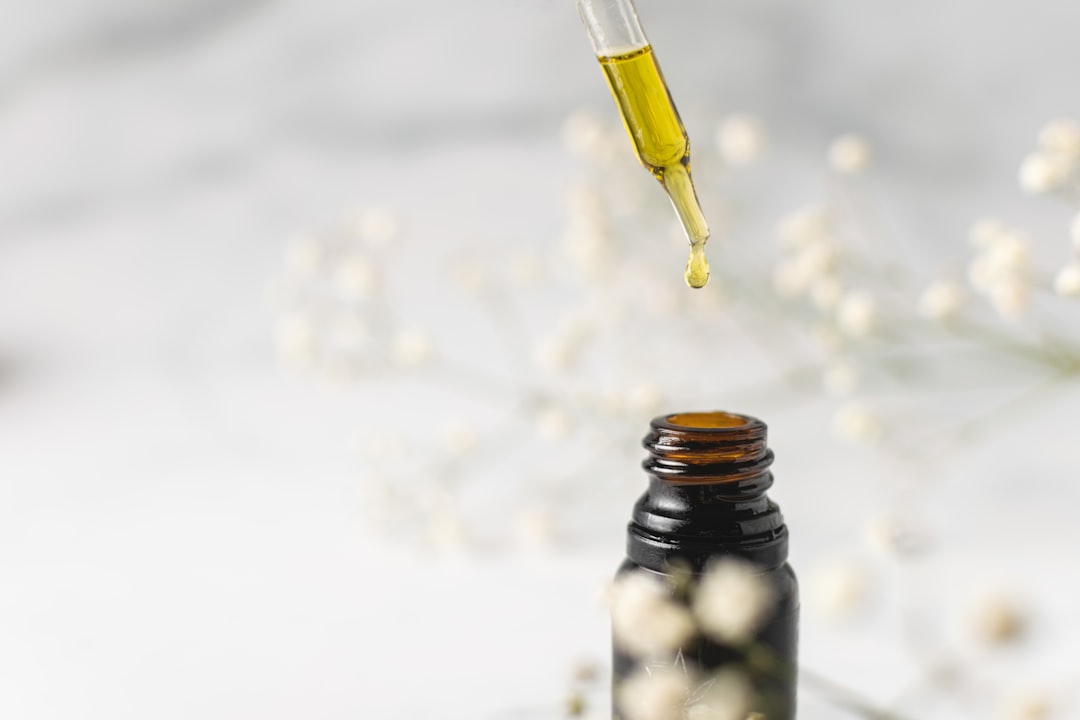
If you want a simple, research-friendly product to try first—one that’s designed as a scalp serum and not just a cosmetic finishing oil—the site's top-ranked hair growth oil fits that role: a dedicated, user-oriented serum formulated for scalp application with instructional guidance. It’s designed to be used directly on the scalp rather than as a hair mask, which helps avoid mistaken overuse.
How to choose among store options: quick decision flow
Ask these questions in order and pick the product class that answers your top need:
- Is my primary issue scalp dryness/flaking, or hair breakage/ends? (Dry scalp → heavier oils/masks. Breakage → mid-weight oils or strengthening serums.)
- Do I have sensitivity? (Yes → single-ingredient carrier oils and patch-test.)
- Do I want daily styling shine or a treatment? (Daily → lightweight argan/j ojoba-based leave-in. Treatment → pre-wash castor or mask blends.)
Where oils fit into a broader routine
Think of oils as one tool among many: a healthy routine includes gentle cleansing, appropriate conditioning, occasional deep conditioning, limiting heat and tight styles, and if needed, clinician-recommended treatments. For routine building, see our guide on How to Build a Healthy Hair Care Routine.
Choosing a hair growth oil starts with honest priorities: what your scalp needs, how often you’ll use it, and whether you want a styling product or a treatment. Match oil weight and actives to that need, always patch-test, and measure results sensibly.
- Identify your scalp type (oily, dry, sensitive) and hair texture.
- Decide whether you want stimulation, protection, or styling before selecting an oil.
- Patch-test any product for 24–48 hours on non-inflamed skin.
- Start with small amounts and track hair changes over 8–12 weeks.
- Avoid undiluted essential oils and products without clear ingredient listings.
Pick an oil based on your primary need: lightweight, non-greasy oils for fine or oily scalps; richer oils or weekly masks for dry, coarse hair; scalp serums with vetted actives for stimulation. Test cautiously and view oils as supportive—measure progress over months, not days.
Can hair oils actually make my hair grow faster?
Oils improve scalp condition and reduce breakage, which can make hair appear to grow better over time; they rarely increase the number of hair follicles and are not a replacement for medical treatments if you have clinical hair loss.
Which oil is best for thin or fine hair?
Light oils such as jojoba, grapeseed, or fractionated coconut are best because they condition without weighing hair down.
How often should I use a heavy oil like castor?
Use heavy oils as a pre-wash mask 1–2 times weekly and ensure you can fully shampoo it out to avoid buildup.
Are essential oils necessary in hair growth products?
Essential oils are optional and can provide circulation or antimicrobial effects, but they must be diluted and can irritate sensitive scalps—look for formulations meant for scalp use.
What should I do if an oil makes my scalp itch?
Stop use immediately, wash the area, and switch to a simple carrier oil or consult a dermatologist if irritation persists.