

The quickest answer: choose three core steps—cleanse, treat (serum/targeted product), and moisturize—plus daily sunscreen; then tweak product texture, active ingredients, and frequency to match your skin type. Below is a practical, step-by-step plan that tells you exactly what to buy and how to use it for oily, dry, combination, and sensitive skin.
Decide your skin type and the single main goal
Before buying anything, identify whether your skin is oily, dry, combination, or sensitive. Ask: after washing, does my skin feel tight (dry), shiny within a few hours (oily), both in different areas (combination), or react with redness/itching (sensitive)? Pick one primary goal—hydration, oil control, calming, or barrier repair—so every product you add supports that aim.
Base routine everyone should follow
All skin types benefit from this minimal scaffold done morning and evening (except sunscreen, morning only):
- Cleanser: remove dirt and oil without stripping.
- Treatment: one targeted product (serum, retinol, or acid) used as needed.
- Moisturizer: seal in hydration and support the skin barrier.
- Sunscreen: broad-spectrum SPF 30+ every morning.
How to choose each product by skin type
Cleansers: match texture to oil level
Dry skin: use creamy or oil-based cleansers that remove debris but leave moisture. Oily/combination: gel or foaming cleansers that clean excess oil; avoid harsh sulfates. Sensitive: choose fragrance-free, soap-free, minimal-ingredient cleansers.
Treatments: pick one targeted active
Only add one active at a time so you can monitor tolerability.
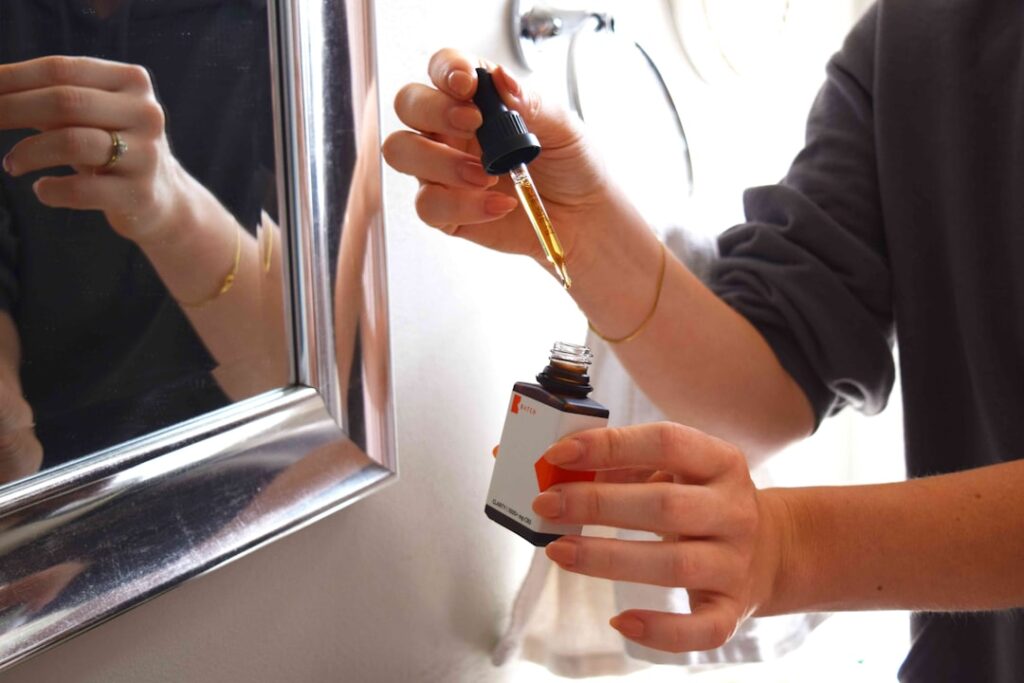
- Hydration/anti-aging: hyaluronic acid or peptide serums (safe for most types).
- Oily/acne-prone: niacinamide and salicylic acid (BHA) to regulate sebum and clear pores.
- Dry/dehydrated: ceramides, glycerin, and low-concentration AHAs (lactic acid) to encourage gentle exfoliation and moisture retention.
- Sensitive: azelaic acid or low-dose niacinamide; avoid strong acids and fragrances.
Moisturizers: match weight and key ingredients
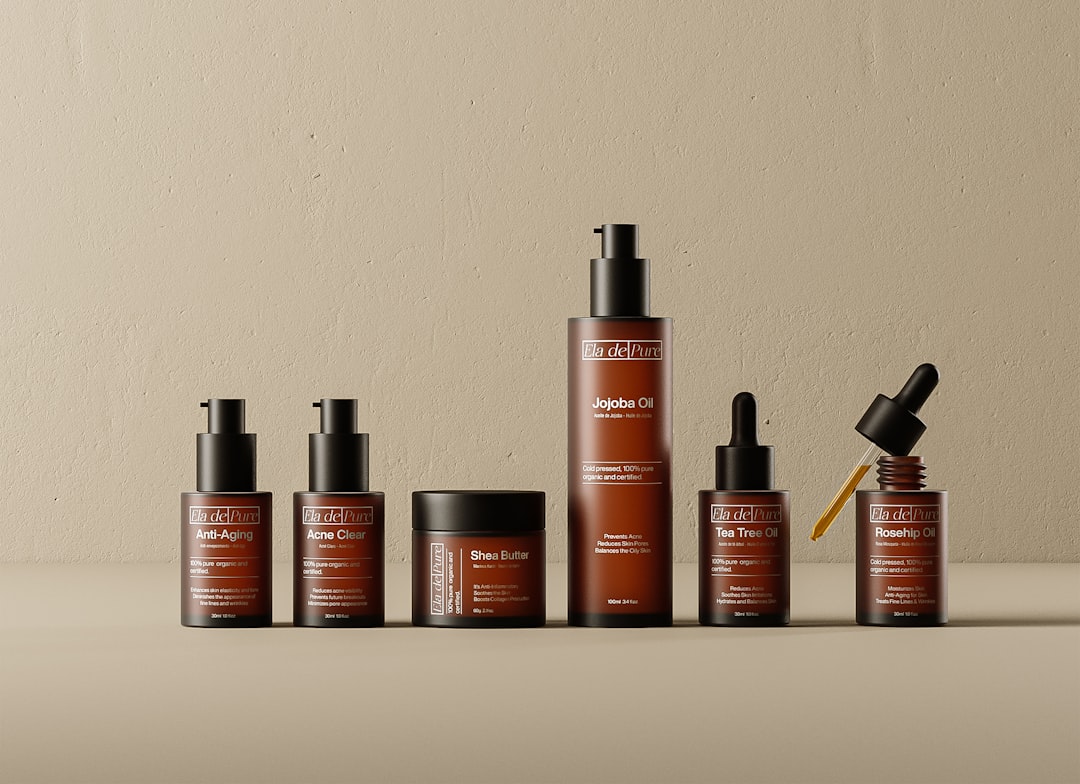
Dry skin: richer creams with occlusives (shea butter, petrolatum) and ceramides. Oily skin: lightweight, non-comedogenic gels or lotions with humectants and niacinamide. Combination: use lighter formulas for the T-zone, richer creams on cheeks if needed. Sensitive: fragrance-free, barrier-supporting formulas (ceramides, cholesterol).
Why this product: for many readers with dry or very dry skin, a concentrated, non-greasy cream helps restore barrier function quickly. Use it at night and as needed during the day on dry patches; switch to a lighter lotion in hot weather.
Practical morning and evening routines by skin type
Dry skin
Morning: gentle creamy cleanser → hyaluronic acid serum → rich moisturizer → SPF 30+. Evening: oil or creamy cleanser → optional 5–10% lactic acid 1–3x/week if tolerated → moisturizer. Avoid foaming cleansers and alcohol-based toners.
Oily or acne-prone skin
Morning: gel cleanser → niacinamide serum → lightweight moisturizer → SPF 30+. Evening: gentle cleanser → salicylic acid spot or leave-on product (start every other night) → lightweight moisturizer. If acne medications are prescribed, layer them under moisturizer per instructions.
Combination skin
Use a balanced gel or gentle foaming cleanser. Apply a lightweight serum and moisturizer overall; if cheeks are dry, dab a richer cream there. Consider targeted products (BHA on T-zone, hydrating AHA on cheeks) on alternating nights.
Sensitive skin
Morning: cream or micellar-style cleanser → hydrating serum (hyaluronic acid or niacinamide) → fragrance-free moisturizer → mineral SPF (zinc oxide) if reactive. Evening: gentle cleanser → azelaic acid or barrier-repair moisturizer. Patch-test new actives and introduce one product every 2–3 weeks.
How to introduce actives safely
Start slowly: every third night for the first two weeks, then increase frequency if no irritation. Always pair retinoids and acids with moisturizer and sunscreen. If you experience persistent burning, redness, or flaking, stop the active and let the skin recover with barrier-supporting products (ceramides, petrolatum) before retrying at lower frequency.
Troubleshooting common issues
- Too greasy after moisturizer: switch to a gel or lotion and use less product; blot the T-zone midday if needed.
- Tightness or flaking after cleansing: your cleanser is too stripping—move to a cream or oil cleanser and add a humectant serum.
- New breakouts after starting a product: distinguish purging (with retinoids/AHAs, temporary) from comedogenic reaction (worsening over weeks). If it gets worse beyond two months, stop the product.
- Persistent redness or stinging: stop actives and use a plain barrier cream; consult a dermatologist if severe.
When to see a professional
If you have sudden, severe irritation, persistent acne that affects your confidence, signs of infection, or a chronic condition (rosacea, eczema) that doesn’t respond to gentle care, schedule a dermatologist visit for prescription options and testing.
- Identify whether your skin is oily, dry, combination, or sensitive.
- Choose a gentle cleanser suited to your skin texture.
- Select one targeted treatment (serum/acid/retinoid) and introduce slowly.
- Pick a moisturizer with the right weight and barrier ingredients.
- Buy a broad-spectrum SPF 30+ and apply every morning.
- Patch-test new products and add only one new item every 2–3 weeks.
A simple routine—cleanse, one targeted treatment, moisturize, and sunscreen—covers the essentials for any skin type. Match product textures and active choices to your skin’s needs, introduce changes slowly, and prioritize barrier-supporting ingredients.
How often should I exfoliate?
For most people, 1–3 times per week is enough; oily skin may tolerate more frequent chemical exfoliation (BHA), while sensitive and dry skin should exfoliate less often and choose gentler acids.
Can I skip moisturizer if I have oily skin?
No—oily skin still needs hydration. Use a lightweight, non-comedogenic gel or lotion to balance oil production without clogging pores.
Should I use different products morning and night?
Yes: mornings should include sunscreen over a lightweight moisturizer; evenings can include richer moisturizers and active treatments like retinoids or exfoliants when tolerated.
What if my skin reacts to a new product?
Stop using it immediately, apply a basic barrier cream, and reintroduce products one at a time after the skin calms. See a dermatologist if the reaction is severe.
Do I need a serum?
Serums add targeted benefits (hydration, acne control, brightening) but aren’t required—prioritize a good cleanser, moisturizer, and sunscreen first.