

Most people treat eye cream like a luxury step—but the real issue is choosing the right actives for the problem you actually have.
If your concern is puffiness from poor sleep, a heavy retinol won’t help as much as a decongesting peptide or caffeine. Conversely, if fine lines are your priority, hydration and a gentle retinoid matter more than brightening alone. This guide explains which ingredients and textures matter, how to use eye cream so it works, and which product to consider for common needs.
What actually matters when choosing an eye cream
Focus on matching ingredient function to your visible issue, plus texture, tolerance and timing. Eye-area skin is thin and more reactive; potency and irritation risk are the chief trade-offs.
- Define the primary concern: dryness/texture, fine lines, under-eye darkness, puffiness, or sensitivity. One product rarely solves all well.
- Ingredient efficacy over branding: look for clinically backed actives (retinoids, peptides, vitamin C, hyaluronic acid) targeted to your concern rather than marketing buzzwords.
- Concentration and delivery: actives work better in stable formulations at effective concentrations, but higher strength increases irritation risk near the eye.
- Texture matters: gels/serums for oily or puffy eyes; creams for dry or mature skin; hydrogels for quick cooling relief.
- Fragrance and essential oils: avoid these if you have sensitivity or frequent irritation.
Key ingredients and what they actually do
Below are practical notes on common actives and when to prioritize them.
- Hyaluronic acid: universal first-line for fine lines from dehydration—binds water to plump the skin. Works well under makeup.
- Retinoids/retinol: best for wrinkles and collagen support. Use lower concentrations designed for the eye area and introduce slowly (every few nights) to avoid flaking or burning.
- Peptides: good for firmness and mild puffiness; gentle and suitable for most skin types long-term.
- Vitamin C (stable forms): brightens and helps with pigmentation and skin tone. Choose formulas formulated to be gentle; pair with sunscreen in daytime.
- Caffeine: constricts blood vessels and temporarily reduces puffiness and dark circles caused by vascular pooling; effect is short-term.
- Niacinamide: reduces redness, strengthens barrier and helps with pigmentation; generally well tolerated.
- Azelaic acid or kojic acid: consider for persistent pigmentation (under guidance), though these are less common in eye-specific formulas.
- Soothing agents (ceramides, glycerin, panthenol): choose these if barrier repair and hydration are your priorities.
How to match an eye cream to your use case
Pick one dominant goal and use the guidance below to narrow choices.
1) Dry, crepey under eye skin
Prioritize hyaluronic acid, ceramides, glycerin and a richer cream texture. Apply twice daily; use thin layers to avoid milky finish under makeup.
2) Fine lines and early wrinkles
Look for low-strength retinol or retinal compounds formulated for eyes and peptide blends. Start once or twice weekly, gradually increasing frequency to nightly as tolerated. Always use sunscreen in the morning.
3) Dark circles from pigmentation
Choose gentle vitamin C, niacinamide, or brightening peptides. Avoid overly harsh exfoliants—the eye area can react strongly. Results take weeks; consistency matters.
4) Puffiness and fluid retention
Light gels, caffeine, cooling metal-tip tubes or lymphatic massage help. Use these in the morning; avoid heavy creams that can trap fluid.
5) Sensitive or reactive eyes
Focus on fragrance-free, minimal-ingredient formulas with ceramides and glycerin. Patch-test on the forearm or behind the ear before full-face use.
How to apply eye cream so it actually absorbs
Correct technique reduces waste and irritation.
- Cleanse and pat skin dry—apply to slightly damp skin for better absorption when using hydrating ingredients.
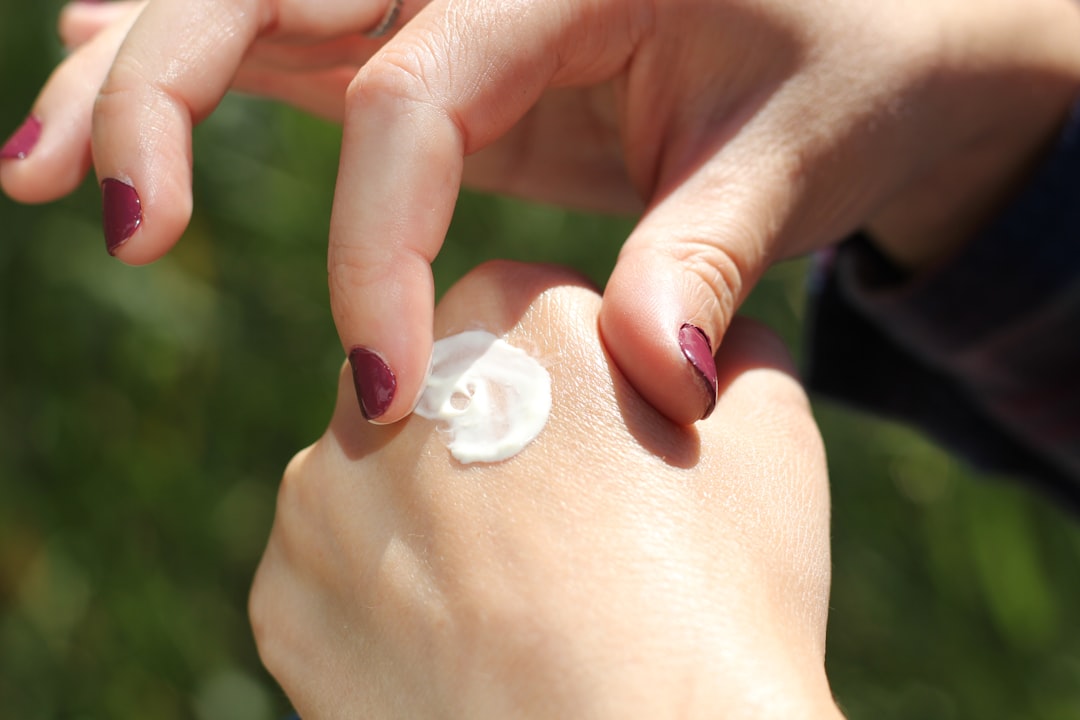
- Use a pea-sized total amount for both eyes; the eye area needs surprisingly little product.
- Warm the product between your ring fingers or using a metal applicator, then tap gently along the orbital bone—start at the outer corner and move inward.
- Avoid getting product on the inner eyelid margin and lashes; keep application to the bony socket area to reduce migration into the eye.
- Introduce active ingredients slowly: start every 3–4 nights for retinoids and increase frequency as tolerated.
- When layering, apply eye cream before heavier face creams but after light serums, unless the eye product is specifically a thick cream.
When a product from the store fits your need
After you’ve picked a target (hydration, wrinkles, or puffiness) the highest-ranked matching product generally makes the most sense. For general daytime brightening plus hydrating support, a vitamin C eye cream that’s dermatologist-developed is a strong all-round choice for many users.
When to expect change and when to see a professional
Hydration improvements can appear in days; pigment and fine-line changes typically take 6–12 weeks of consistent use. If you experience persistent burning, swelling, vision changes, or the eye area repeatedly flares, stop use and consult a dermatologist—especially before combining multiple active ingredients near the eyes.
- Identify your single primary concern (hydration, lines, puffiness, dark circles).
- Check for fragrance and alcohol; avoid if you’re sensitive.
- Start stronger actives gradually and patch-test first.
- Match texture to skin type—gel for oil/puffiness, cream for dry/mature skin.
- Plan a 6–12 week trial to judge effectiveness.
Pick an eye cream by what you want to change, not by category name. Prioritize appropriate actives and gentle texture, apply sparingly around the orbital bone, and be patient—meaningful results require consistent use and proper introduction of potent ingredients.
Can I use regular face moisturizer around my eyes?
Yes—if it’s gentle and fragrance-free. But face creams may be heavier or contain irritants not ideal for the thin eye skin; eye-specific formulas are designed for safety and absorption in that area.
Will an eye cream remove dark circles fast?
Not usually. Temporary improvement from caffeine or cooling gels can occur quickly, but pigment-related dark circles often need weeks to months of treatment with brightening ingredients.
How often should I use a retinol eye cream?
Start every 3–4 nights and increase as tolerated to nightly. Use a low-concentration product specifically for the eye area to limit irritation.
Can I use the same eye cream morning and night?
Yes, if the formula is gentle. For products with active brighteners or caffeine, morning use is common; retinoids should be reserved for night and paired with sunscreen in the morning.
Do cooling applicators make a real difference?
They provide short-term depuffing and a soothing effect, especially in the morning, but they don’t change long-term structure without active ingredients that target the problem.