

Start with what matters in real life, not the spec sheet
Most of us shop for a hair dryer after a bad salon experience, a broken old unit, or because the box looked high-tech. The single practical question is: which features will change how your hair looks and how fast you can do it? Focus on power, heat control, attachments, weight/comfort and the real benefits of ionic or ceramic tech. We'll explain the trade-offs and then point you to the best product match for common needs.
What actually changes drying results and when
These five factors determine daily performance more than brand names or marketing terms.
- Wattage and airflow: More watts usually means more motor power and faster drying, which matters if you have thick or long hair. For fine hair, slower airflow with careful heat control is safer.
- Heat and speed settings: Multiple heat and speed levels let you match temperature to hair condition—low heat for damaged or fine hair, high for quick drying of thick hair. A cold-shot button (instant cool) helps lock styles.
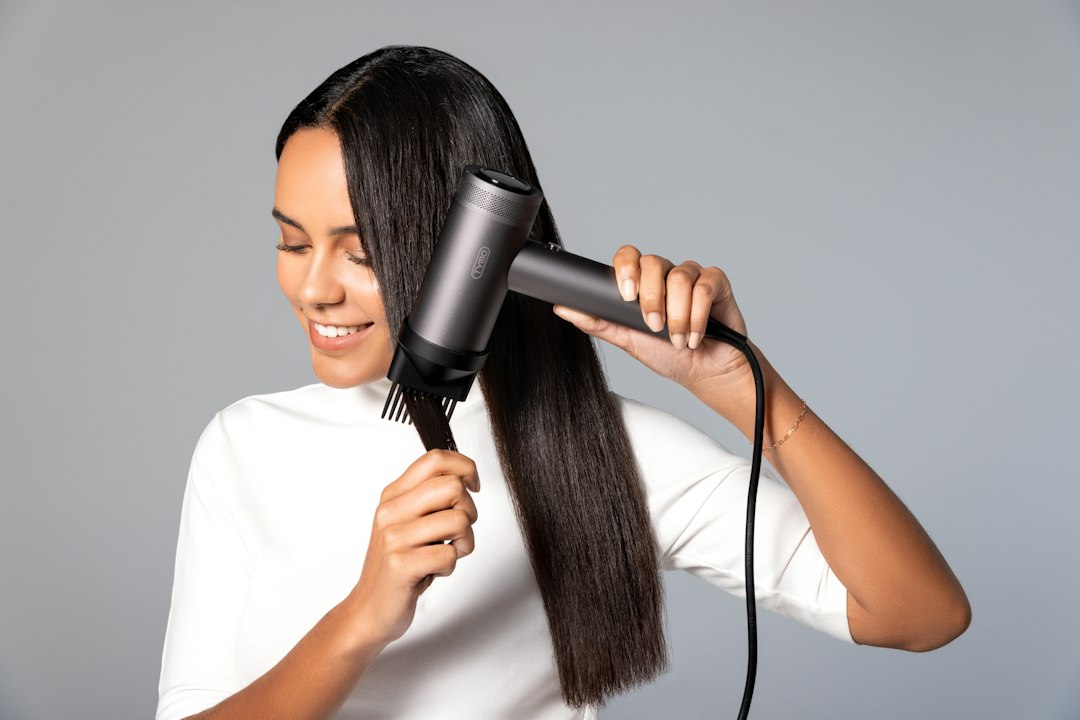
- Attachments: A concentrator nozzle focuses air for smoothing and directing sections; a diffuser spreads air gently for curls and texture. If you style with brushes, a narrow concentrator is essential.
- Technology vs finish: Ceramic or tourmaline elements give steadier heat and reduce hot spots; ionic dryers can reduce frizz and speed drying by breaking water into smaller droplets. These help but won’t fix poor technique.
- Weight, size and noise: A lighter dryer prevents arm fatigue—important if you dry hair daily or have long sessions. Travel models trade power for portability. Noise matters if you have early mornings or small children.
Match dryer features to your hair and routine
Decide what you value most—speed, frizz control, styling precision, or portability—then prioritize features accordingly.
If you have thick or long hair and want speed
Prioritize high wattage/more airflow and multiple heat settings. A powerful motor with a few concentrated nozzles will cut dry time. Use medium heat first, then finish with the cool shot to set shine.
If you have fine or damaged hair
Lower heat, more precise control and a ceramic heater are important. Look for three or more heat settings plus a cool shot. Avoid prolonged high-heat exposure and use a lower speed with a concentrator when smoothing.
If you wear natural curls or waves
A diffuser attachment is the single most useful tool. Look for a dryer with a gentle low-speed setting and an even heat profile (ceramic/tourmaline helps). Narrow concentrators aren't useful for curl definition; skip them unless you also smooth.
If you style with a brush for smooth blowouts
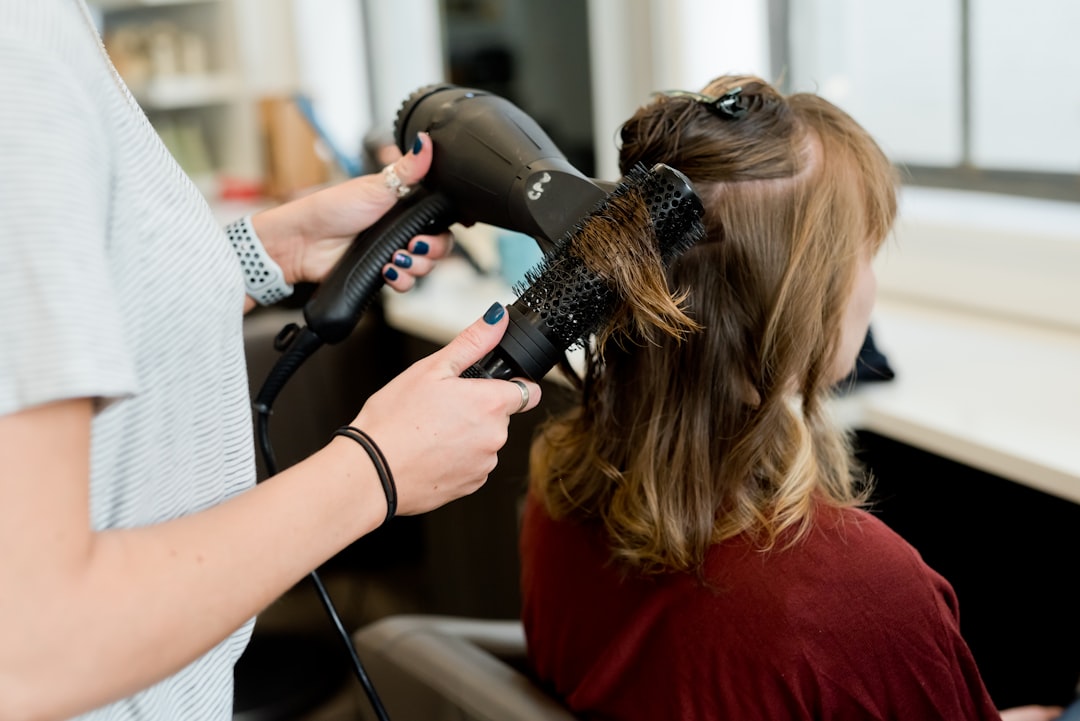
Concentrator nozzles and a dryer with steady airflow beat gimmicks. A dryer with balanced weight and a cool shot gives better tension and longer-lasting smoothness. A round brush and medium heat are the technique combo to focus on.
If you need a travel or second dryer
Choose a compact, lighter model with dual voltage if you travel internationally. Expect lower wattage and longer dry times; those trade-offs are acceptable for portability.
How to read tech claims without getting fooled
Brand pages often list ionic, tourmaline, ceramic and “professional” motors. Here’s a quick reality check:
- Ionic: Helps reduce drying time and frizz for many users, especially on thicker, coarser hair. If your hair is naturally fluffy or frizz-prone, ionic tech is useful; on very fine hair it can sometimes flatten volume.
- Ceramic / tourmaline: These materials provide even heat and fewer hot spots. Tourmaline adds extra negative ions for smoother results. Useful across hair types but especially for damaged or color-treated hair.
- Motor type: AC motors are heavier but durable and usually higher airflow—good for salon-like speed. DC motors are lighter and cheaper; choose a powerful DC dryer if weight matters. Don’t equate “professional” with tangibly better unless the motor specs support it.
- Wattage vs real power: Wattage gives a rough idea of potential heat but actual airflow and motor performance matter more. Look for user reports on drying time and longevity when available.
Practical features people miss but use every day
- Removable filter: Makes cleaning easy and extends motor life—simple, but often absent on cheaper models.
- Long cord and swivel: Cord length plus a swivel base reduces tugging and makes styling easier.
- Ergonomic handle and balanced weight: A well-balanced dryer reduces arm strain during longer styling sessions.
- Noise level: Check reviews if quieter operation is important; manufacturers rarely publish decibel specs.
When to spend more—and when a midrange model is fine
If you dry hair daily and style with brushes or need fast drying for thick hair, a higher-end model with a powerful motor and quality attachments is worth the investment. If you dry occasionally, travel frequently, or have short/fine hair, a midrange or travel model will do the job, especially if it offers ceramic heating and a concentrator or diffuser.
Around the middle of your decision process, a real product suggestion helps clarify trade-offs.
This travel-optimized high-ranked dryer is compact and lighter but still designed to deliver steady airflow—good for someone who values portability without sacrificing modern features. Consider it if you want daily convenience plus better-than-basic performance.
Quick styling checklist before you buy
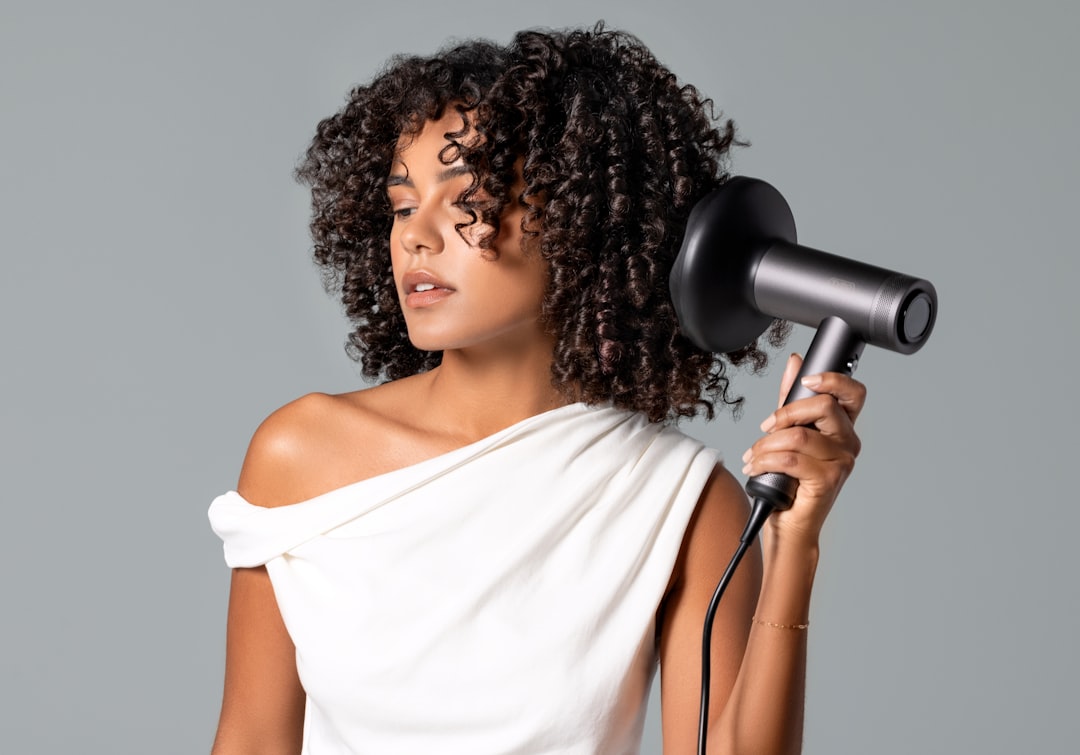
Think about the small practicalities that shape day-to-day satisfaction: how you hold the dryer, how you store it, and whether the attachments are secure and useful.
- Match airflow/power to hair thickness—more power for thick, less for fine.
- Ensure the dryer has the attachments you'll actually use (diffuser or concentrator).
- Test or confirm weight and cord length will be comfortable for your routine.
- Look for multiple heat/speed settings and a cold-shot button.
- Prefer a removable filter for easy cleaning and longer life.
Pick a dryer by use case, not by label. Identify whether you need speed, gentleness, curl care, or portability and then choose the motor power, attachments and materials that support that goal. A well-matched dryer saves time and reduces heat damage more than a more expensive but poorly chosen model.
Do ionic dryers damage hair?
Not inherently. Ionic dryers reduce drying time and frizz for many people; if your hair is very fine and you want lots of lift, ionic tech can sometimes reduce volume—choose settings accordingly.
Is higher wattage always better?
Higher wattage often means faster drying, which is helpful for thick hair, but heat control matters more for preventing damage. Balance power with adjustable heat and speed.
Do I need a diffuser for waves and curls?
Yes—diffusers distribute air and reduce direct force, helping preserve curl pattern and reduce frizz compared to a concentrator or bare nozzle.
How important is a removable filter?
Very—it's an easy way to keep the dryer running efficiently and extend motor life by preventing lint buildup.
Can a travel dryer replace my regular dryer?
Only if you accept slower drying times. Travel dryers prioritize portability and may lack the airflow of a full-size model, so they’re best as a secondary option.