

Most people focus on shade first — but formula and finish matter more
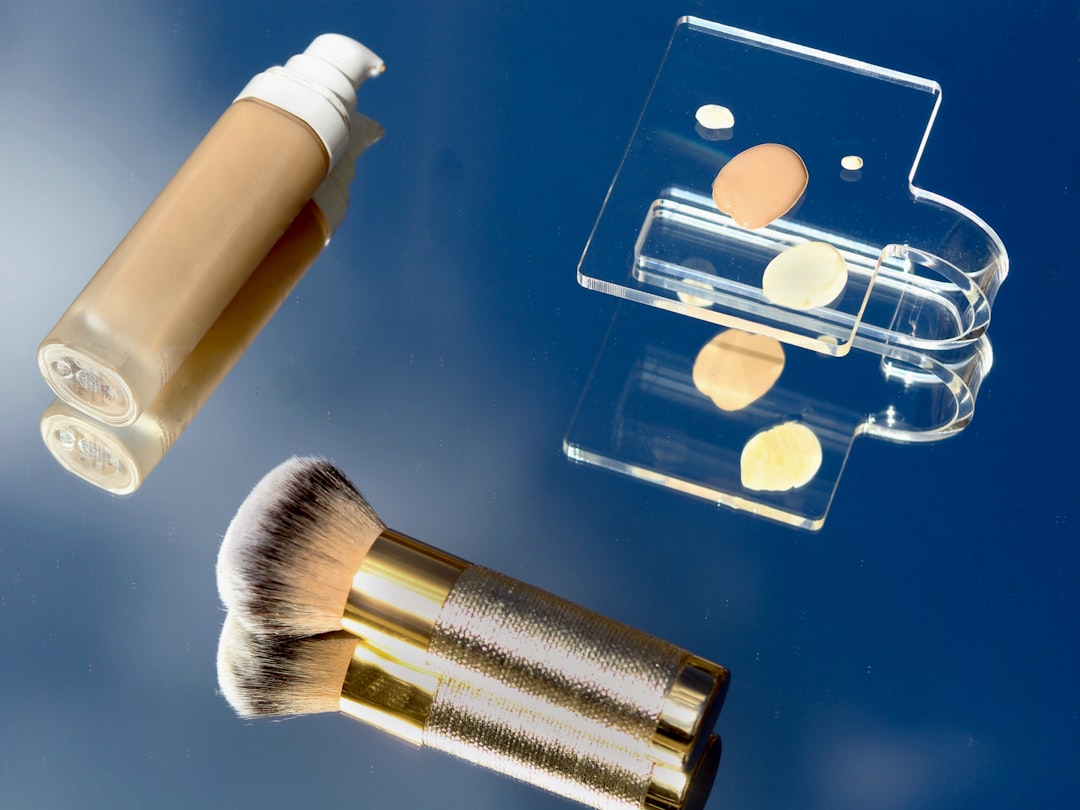
When shoppers ask how to choose the right foundation, they usually mean shade. Shade is important, but the single biggest mistake is picking the wrong formula for your skin type. The right foundation balances formula (liquid, powder, cream), finish (matte, satin, dewy), and coverage (sheer to full) to match your skin’s oiliness, texture and the climate where you live.
What actually matters before you buy
Decide these three priorities first — they should drive product choice more than brand or packaging.
- Skin type and concerns: oily, dry, combination, sensitive, acne-prone or textured (large pores, fine lines).
- Coverage need: sheer (even tone), medium (blur blemishes), full (camouflage scars).
- Finish and longevity: do you want a matte all-day hold for heat/oil, or a hydrating dewy look for dry skin and flash-free photos?
Match formula to skin type
If you choose one thing correctly, let it be this: pick the base that works with your skin’s oil and texture.
Oily or acne-prone skin
Look for oil-control, long-wear formulas: oil-free liquids, powder foundations or mattifying hybrids. Ingredients like silica or clay help control shine. Avoid heavy emollients and dewy finishes that can slide off oily zones.
Dry or dehydrated skin
Choose hydrating liquids or cream foundations with a satin or dewy finish. Formulas with glycerin, hyaluronic acid or squalane add moisture and reduce patchiness. Avoid powder-only foundations unless you set them very lightly over a rich moisturizer.
Combination skin
Hybrid approaches work best: a lightweight liquid (satin finish) overall, with a pressed powder to the T-zone. Or use different formulas on different areas (cream on cheeks, powder on forehead/nose).
Textured, mature or sensitive skin
For visible texture or fine lines, choose thin, buildable formulas (light-to-medium coverage) with blurring particles rather than heavy full-coverage creams that cake into lines. If sensitivity is a concern, favor fragrance-free and non-comedogenic labels and patch-test first.
Choose coverage by need, not by habit
Coverage affects how natural the skin looks and how much maintenance you’ll need.
- Sheer coverage: evens tone, skin shows through — best for healthy skin and natural looks.
- Medium coverage: good everyday choice for most people; covers unevenness but still skin-like.
- Full coverage: use for special occasions, blemishes or hyperpigmentation; be prepared to blend carefully and set to avoid a mask-like effect.
Finish and how it pairs with your routine
Finish determines how the foundation looks in photos and under lights, and how it interacts with other products.
- Matte: best for oily skin and humid climates; pair with hydrating primer on dry areas to avoid flaking.
- Satin/Natural: the most versatile — a soft skin-like glow without obvious shine.
- Dewy: ideal for dry skin or to achieve a youthful glow; set lightly with translucent powder only where needed.
How to test and match shade like a pro
Testing correctly avoids returns and odd mismatches.
- Test in natural light near a window; avoid fluorescent store lighting.
- Apply a thin stripe on the jawline (not the wrist) and blend — the jaw matches face and neck tones.
- Wait five minutes for the formula to oxidize and settle before judging the color.
- Pick the shade that disappears into your skin; if between two, choose the lighter for winter and the darker for summer, or mix them.
Primer, moisturizer and powder — how to layer for success
Foundation rarely performs in isolation. Your prep affects finish, longevity and comfort.
- Dry skin: use a rich moisturizer, then a hydrating primer or a lightweight serum before a dewy/satin foundation.
- Oily skin: use an oil-free moisturizer, silicone or mattifying primer focused on the T-zone, then a matte or long-wear formula; set with a small amount of translucent powder.
- Combination skin: spot-prime — hydrating primer on cheeks, mattifying primer on forehead and nose.
Quick decision guide by use case
Use this to narrow options fast.
- Daily natural look: lightweight liquid with sheer-to-medium coverage and satin finish.
- Long day, humid climate: oil-control matte liquid or powder foundation with long-wear claims; set with powder and blotting papers.
- Dry winter months: hydrating cream or liquid with dewy finish; add hyaluronic serum under makeup.
- Photos and events: medium-to-full coverage with smooth, satin finish; ensure flash-safe formula (avoid heavy SPF that can flashback).
When a product recommendation helps
Given the store catalog, a general supporting product can improve foundation results: a basic gentle cleanser or a hydrating moisturizer to ensure an even base.
The Cetaphil Daily Facial Cleanser is a gentle cleanser that helps keep skin clear without stripping oils — a useful first step for foundation to apply smoothly.
Simple routine to try this week
Test one foundation for a full day to evaluate: cleanse, moisturize, spot-prime as needed, apply foundation in thin layers, set only where you need longevity. Note how it wears after 3–4 hours and at the end of the day.
- Identify your skin type and main concern (oil, dryness, texture).
- Decide desired coverage and finish before browsing formulas.
- Test shades on the jawline in natural light and wait to oxidize.
- Bring the rest of your routine into the test (moisturizer/primer).
- Prefer fragrance-free or non-comedogenic if you have sensitivity or acne.
Shade matters, but formula and finish determine how a foundation looks and lasts. Start with skin-type-matched formulas (matte for oil, dewy for dry), test on the jawline in natural light, and evaluate wear across a full day before buying.
How do I know if I have combination skin?
Combination skin typically feels oily in the T-zone (forehead, nose, chin) and normal or dry on the cheeks; you may need two different product approaches for those zones.
Can I mix foundations for a better match?
Yes. Mixing a light and a darker shade lets you adjust seasonally; mixing formulas helps too if you need more glow or oil control.
Should I always use primer under foundation?
Not always — primers solve specific problems (mattifying, hydrating, pore-blurring). If your foundation performs well without one, you can skip it.
Is powder foundation better for oily skin?
Powder foundations can help control shine and feel lightweight, but long-wear liquid mattifying formulas often outperform powders in humidity; test both in your environment.
How often should I replace liquid foundation?
Most liquid foundations last 6–12 months after opening; check the packaging for the specific period-after-opening symbol and discard if the texture or smell changes.