

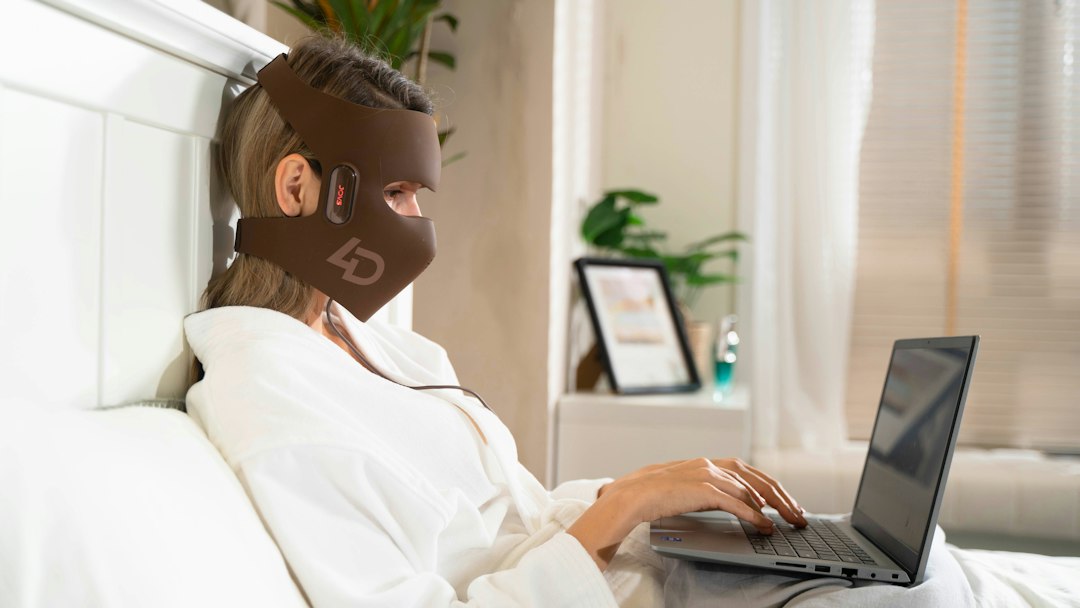
When you scroll past “before and after” photos late at night and wonder if a light-up mask could actually help your skin
That curiosity is common: LED face masks promise clearer, firmer skin without needles or chemicals. Quick answer: they work by delivering specific wavelengths of light (mainly red and blue, sometimes near-infrared) to skin cells; those wavelengths trigger cellular responses—reduced inflammation, increased collagen production, or bacterial suppression—so you can see measurable benefits when used correctly and consistently.
How LED face masks produce results
Three core mechanisms account for effects people notice:
- Cellular stimulation (red/near-infrared): Red (≈630–660 nm) and near-infrared (≈800–850 nm) light penetrates to the dermis and boosts mitochondrial activity in skin cells. That leads to more ATP (cellular energy), which supports collagen synthesis and tissue repair—useful for fine lines and recovery.
- Antibacterial action (blue): Blue light (≈405–420 nm) acts on P. acnes bacteria linked to inflammatory acne; it creates reactive oxygen species that reduce bacterial counts and calm breakouts.
- Reduced inflammation and improved circulation: Red and near-infrared wavelengths also modulate inflammatory signaling and can improve microcirculation, which helps skin tone and healing after procedures.
What to expect: timelines, typical outcomes, and limits
Expect subtle but real changes over weeks, not overnight cures. For acne, blue-light protocols often show fewer inflammatory lesions after 4–8 weeks of regular sessions; for anti-aging effects from red/near-infrared, many controlled studies report improved skin texture and reduced fine lines after 8–12 weeks of consistent use.
Limitations: LED masks won’t remove deep wrinkles, sagging from major volume loss, or permanently erase scarring. They complement—rather than replace—topicals like retinoids or moisturizers and professional treatments when those are appropriate.
Safety, risks and who should be cautious
LED face masks are low-risk for most people: they are non-ablative and don’t heat tissue like lasers. Still, follow these rules:
- Read device instructions—don’t increase power or session length beyond the manufacturer’s guidance.
- Remove photosensitizing products (some prescription retinoids, topical acids) just before sessions unless the device maker says it’s OK.
- People with light-sensitive conditions, those on photosensitizing medications, or with active skin infections should consult a clinician first.
- Protect eyes: even if the mask includes eye shields, avoid staring at bright LEDs; use provided goggles if recommended.
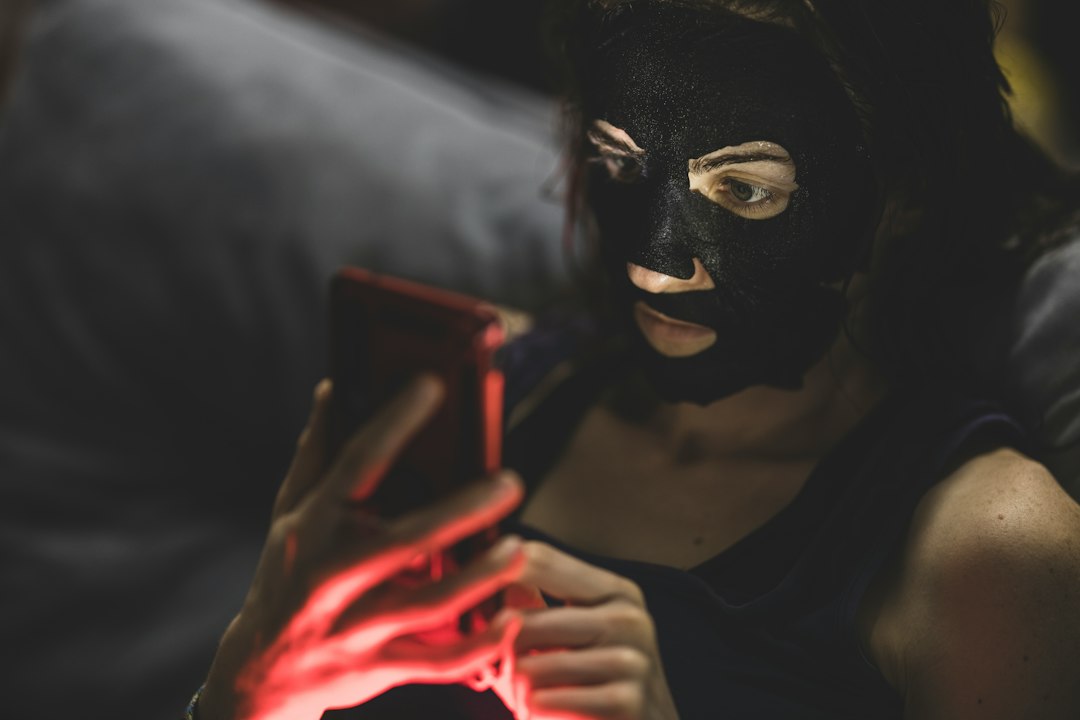
Choosing the right LED mask: what matters more than looks
Many masks look similar, but evaluate these practical features:
- Wavelengths offered: A mask that combines red (630–660 nm) and blue (405–420 nm) covers the most common needs. Near-infrared is a bonus for deeper collagen effects.
- Irradiance (power): Measured as mW/cm², higher irradiance shortens treatment time and can improve outcomes; however, follow recommended doses—more is not always better.
- Even light distribution: LEDs should sit close to skin without large gaps; uneven arrays give patchy results.
- Fit and comfort: A mask you’ll actually wear consistently is more valuable than a marginally more powerful one you avoid because it’s awkward or heavy.
- Timer and protocols: Built-in timers, program modes, and clear session guidance make consistent use easier.
How to use an LED face mask at home—practical session guide
- Cleanse: remove makeup, sunscreen and oils so light reaches the skin surface.
- Position: fit the mask snugly so LEDs are near the skin; protect eyes per device instructions.
- Set program: choose blue for acne, red or red+near-infrared for anti-aging/repair. Use recommended intensity and time (often 10–20 minutes per session).
- Frequency: typical schedules are 3–5 sessions per week for the first 4–12 weeks, then maintenance 1–3 times weekly.
- Post-care: apply serums or moisturizers after treatment if desired; there’s no required downtime.
A recommended product to consider
If you want a solid, easy-to-use home option that covers the typical needs—acne and anti-aging—try the top-ranked in our catalog which combines red and blue modes and includes a guided setup for beginners.
When to combine LED with other treatments
LED complements—but doesn’t replace—active topicals. For example, use an LED protocol alongside a consistent sunscreen, a hydrating moisturizer, or targeted serums (peptides, niacinamide). If you’re using prescription acne treatments or professional retinoids, check timing with your dermatologist to avoid irritation.
For cosmetic procedures (microneedling, lasers), many clinicians use LED to speed recovery—ask your provider the safest interval before or after in-office treatments.
- Confirm the mask offers red and/or blue wavelengths you need.
- Check fit, comfort and whether the mask sits close to skin.
- Read recommended session length and weekly frequency.
- Ask your healthcare provider if you take photosensitizing meds or have a skin condition.
- Plan a consistent schedule you can follow for at least 8–12 weeks.
LED face masks can reduce inflammation, help acne, and support collagen production when the device delivers the right wavelengths at appropriate intensity and is used consistently. Choose a comfortable, well-designed mask and follow safety guidance—then judge results after several weeks of regular sessions.
How often should I use an LED face mask?
Typical protocols are 3–5 times per week for the first 4–12 weeks, then 1–3 times weekly for maintenance; follow your device’s instructions.
Can LED masks damage my eyes?
They can be bright; use built-in eye protection or goggles if recommended and avoid direct eye exposure to LEDs.
Will LED replace my skincare routine?
No—LED is complementary. Sunscreen, cleansers and targeted actives remain important for overall results.
How soon will I see results?
For acne, improvements often appear in 4–8 weeks; for anti-aging effects, expect 8–12 weeks of consistent use.