

When the shower becomes a guessing game
You stand under warm water, stare at three almost-identical bottles and wonder which one will stop the frizz, keep your color, or finally stop your scalp from flaking. Choosing the right shampoo doesn’t have to feel like that. Start by knowing what actually matters for your hair and scalp, then match those needs to the formula and routine.
Decide what your hair and scalp really need
Before shopping, answer these quick, observable questions about recent behavior and results—not what you wish your hair would do.
- Does your scalp get greasy within a day or stay dry and tight? (oily vs dry scalp)
- Is your hair fine and limp, thick and coarse, or curly/coily in texture?
- Do you color, highlight, chemically relax, or heat-style often?
- Do you have build-up from hard water, styling products, or dry flakes that look like dandruff?
These answers determine the shampoo category you’ll start from: clarifying, hydrating/moisture, balancing/for oily scalp, color-safe, or anti-dandruff/medicated.
How to read a shampoo label so it actually helps
Labels can be marketing-heavy. Focus on three parts: primary surfactants, conditioning agents, and active or gentle ingredients.
- Surfactants: Look for sodium lauryl sulfate (SLS) or sodium laureth sulfate (SLES) if you want strong cleansing (clarifying), but avoid them if your hair is dry, color-treated, or curly. Gentler surfactants include cocamidopropyl betaine, sodium cocoyl isethionate, and decyl glucoside.
- Humectants & oils: Glycerin, panthenol (pro-vitamin B5), argan oil, shea butter and hyaluronic acid help hydrate and soften.
- Proteins: Hydrolyzed keratin or wheat protein can strengthen damaged hair but may stiffen very fine hair if overused.
- Actives for scalp: Pyrithione zinc, ketoconazole, or selenium sulfide target dandruff; salicylic acid helps remove heavy build-up.
- “Color-safe” claims: Usually means sulfate-free and lower pH—good for dyed hair but check for UV filters if you want extra fade protection.
Match shampoo type to common use cases
Dry, brittle or chemically-treated hair
What matters: moisture, gentle cleansing and slip. Choose a hydrating shampoo with mild surfactants, humectants (glycerin, panthenol), and at least one natural oil or butters like argan or shea. Avoid frequent clarifying washes and look for "sulfate-free" if you color your hair.
Product option: If you want a store-matched conditioner to follow the same strategy, consider pairing with a hydrating conditioner from the catalog; shampoos ranked high for hydration in our store list are natural complements.
Oily scalp with otherwise healthy hair
What matters: removing excess sebum without stripping lengths. Pick a balancing or clarifying shampoo with stronger surfactants (SLS/SLES) but use it 1–3 times weekly and alternate with a gentler daily shampoo. Ingredients like tea tree or salicylic acid help control oil.
Fine or limp hair needing volume
What matters: lightweight cleansing and protein balance. Use volumizing shampoos that are low in heavy oils and silicones; look for ingredients like hydrolyzed wheat protein and panthenol. Avoid heavy moisturizing lines that weigh strands down.
Curly or coily hair
What matters: moisture retention and reduced friction. Sulfate-free formulas, creamy cleansers, and added oils/conditioning agents help maintain curl pattern. Consider co-washing (conditioner-only wash) occasionally and use a clarifying shampoo only when product build-up appears.
Color-treated hair
What matters: fade reduction and gentle cleansing. Use a sulfate-free, color-safe shampoo with UV filters or antioxidants if possible. Wash less frequently and choose lower-temperature water to preserve pigment.
Flaky or itchy scalp
What matters: treating underlying flaking vs. simple dryness. If flakes are consistent and accompanied by itching or redness, try an anti-dandruff shampoo with pyrithione zinc or ketoconazole. For mild dryness, a moisturizing, fragrance-free shampoo may be enough. If severe, consult a dermatologist.
Practical routine tweaks that matter more than brand names
- Don’t over-shampoo: frequency should match your scalp. Oily scalps may need every-other-day; dry scalps 2–3x weekly.
- Concentrate shampoo on the scalp; lengths get cleaned by the runoff.
- Rinse thoroughly—residue creates build-up and flattens hair.
- Alternate a clarifying wash every 1–2 weeks if you use heavy styling products or live in hard-water areas.
- Finish with a conditioner appropriate to your hair type (see our Hair Conditioners category).
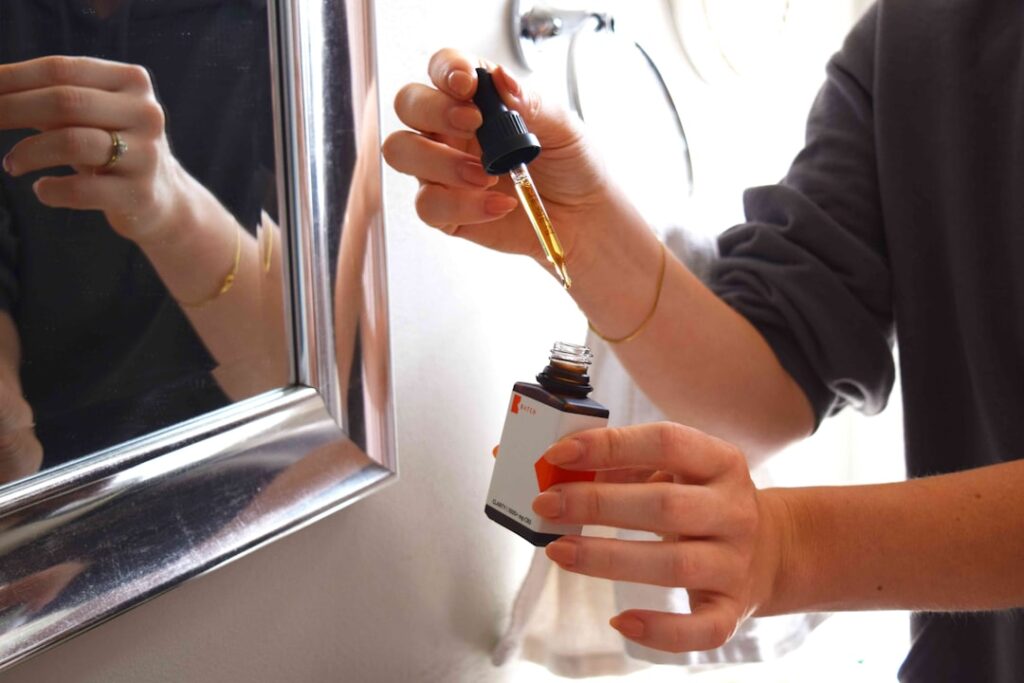
The product above is a strong match for dry or chemically-treated hair needing intensive hydration; place it into your routine after identifying moisture loss as the key issue.
When to switch shampoos and how to test one
Try a new shampoo for 3–4 washes before deciding: the first wash removes build-up and may not reflect the long-term result. Watch for changes in manageability, shine, scalp comfort, and how quickly hair becomes oily. If hair feels drier, lighten the formula; if it gets greasy faster, you may need a stronger cleanser or different frequency.
Common trade-offs and special situations
- Color protection vs. deep cleansing: Sulfate-free protects color but doesn’t remove heavy build-up as well—alternate if needed.
- Protein treatments: Help damaged hair but can make soft/fine hair feel stiff. Use protein products sparingly and observe texture changes.
- Natural/clean labels: "Natural" doesn’t guarantee non-irritating; check surfactants and fragrance levels if your scalp is sensitive.
- Price vs. ingredients: Expensive packaging or branding doesn’t always mean the formula fits your needs—focus on ingredient function.
- Identify scalp type (oily, dry, normal, flaky) and hair texture (fine, medium, thick, curly).
- Choose surfactant strength based on need: gentle for dry/colored, stronger for oily/build-up.
- Look for humectants and oils for dry hair; protein and panthenol for weak hair; actives for dandruff.
- Plan washing frequency and whether you need a clarifying step periodically.
- Patch-test if you have sensitive skin; try 3–4 washes before judging.
Picking the right shampoo begins with a clear diagnosis of your scalp and hair goals—hydration, oil control, volume, or scalp treatment—then matching label ingredients and surfactant strength to those needs. Use routine adjustments (frequency, clarifying intervals) to get the result you want rather than chasing a brand.
How often should I change my shampoo?
Change only when your current shampoo no longer meets your needs (e.g., increased oiliness, dullness, or heavier product build-up). A seasonal switch—gentler in winter, clarifying in summer—is common.
Is sulfate-free always better?
Sulfate-free is gentler and better for dry, curly or color-treated hair, but people with very oily scalps or heavy build-up may need stronger cleansers occasionally.
Can I use a dandruff shampoo every day?
Many dandruff shampoos are safe for frequent use, but follow label directions; if irritation occurs, reduce frequency or consult a dermatologist.
Will switching shampoos improve hair growth?
No shampoo will directly increase hair growth, but treating scalp health and reducing breakage (with the right formula) helps hair look fuller and retain length.
How do I remove product build-up without drying my hair out?
Use a clarifying shampoo once every 1–2 weeks, or a chelating product if you have hard water; follow with a moisturizing conditioner or a hydrating mask.