

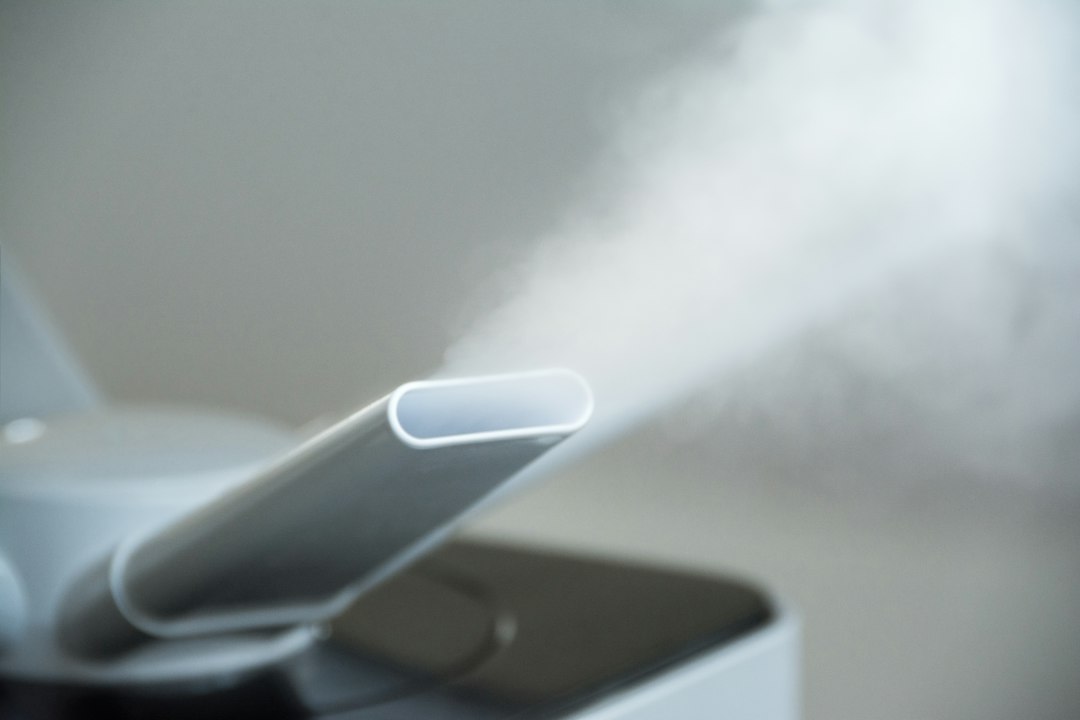
One common misconception about facial steamers
Many people assume “steam equals deep cleansing” and expect a steamer to clear pores like a magnifying glass. In reality, a facial steamer helps soften surface grime and loosen sebum, but it doesn't forcibly extract impurities or replace cleansing and targeted treatments. Understanding that difference changes how you use a steamer and the results you get.
What facial steamers actually do and why that matters
Facial steamers warm the surface of the skin and raise local temperature and humidity. That does three useful things: it loosens hardened sebum and makeup residues, temporarily opens the upper layers of the stratum corneum to improve absorbency of serums, and increases blood circulation which can make skin look fresher. These are practical benefits when paired with the right follow-up steps—cleansing, exfoliating (when appropriate), and hydrating.
Why it matters: treating a steamer as a one-step solution leads to disappointment or even irritation. Steam is an enhancer, not a cure.
How to use a facial steamer the right way
Use this concise routine for a safe, effective session:
- Cleanse first. Remove makeup and surface oils so steam targets skin, not leftover product.
- Fill the reservoir with distilled or filtered water to avoid mineral buildup. Turn on and let steam run for 1–2 minutes before positioning your face.
- Position 10–12 inches away. Keep your face outside the hottest plume—too close increases burn risk. A good rule: you should feel warm, not painfully hot.
- Limit to 6–10 minutes for most skin types; 5 minutes is enough for very sensitive or rosacea-prone skin.
- After steaming, gently pat skin and follow with a mild exfoliant only if your skin tolerates it and you don’t have active inflammation, then apply hydrating serum and moisturizer to lock in benefits.
Common mistakes that reduce benefits or cause harm
Below are the most frequent, avoidable errors and quick why/what-to-do fixes.
1. Staying too close or steaming for too long
Problem: Excess heat damages the skin barrier, causes redness, and can worsen conditions such as rosacea.
Why it matters: A compromised barrier means more sensitivity, dryness and breakouts later. Fix: maintain distance, keep sessions short, and stop if you feel burning.
2. Using tap water or skipping maintenance
Problem: Mineral deposits (scale) build up in the reservoir and nozzle, creating uneven steam and potential bacterial growth.
Why it matters: Poor hygiene may transfer contaminants to skin. Fix: use distilled water and follow the manufacturer’s cleaning instructions after each few uses.
3. Treating steam as a pore extractor
Problem: Trying to manually squeeze or extract after steaming without proper tools or technique risks scarring and inflammation.
Why it matters: Steam softens the skin but doesn’t make extraction safe. Fix: use professional pore extraction only when necessary or opt for gentle blackhead tools with caution; otherwise, prioritize chemical exfoliants or professional extractions.
4. Steaming with active skin conditions
Problem: Conditions like eczema, open wounds, severe acne, or active rosacea can flare with heat and humidity.
Why it matters: Aggravation rather than improvement. Fix: consult a dermatologist before using a steamer on compromised skin; consider cool mists or gentle topical therapies instead.
5. Skipping follow-up hydration
Problem: Steam increases absorbency briefly—if you don’t apply moisturizer or serum, gains are lost and evaporation can dry skin.
Why it matters: You may end up drier than before. Fix: have a hydrating serum (hyaluronic acid) and moisturizer ready to apply within minutes post-steam.
When a steamer is a helpful addition and when it isn't
Good use cases: someone with mildly congested pores who already follows a simple cleansing and moisturizing routine; people preparing skin for a mask or professional facial; users wanting a short circulation boost.
Poor fit: inflamed acne, severe rosacea, vulnerable post-procedure skin (e.g., after microneedling or chemical peel), or anyone who has repeated sensitivity to heat. In those cases, skip steaming or get tailored advice from a clinician.
Product recommendation for a safe home starter
If you want a dependable, widely matched option that balances features and ease of use, consider a well-reviewed basic nano/ionic facial steamer. It fits the common need: gentle warm steam for home routines and easy maintenance.
Quick maintenance and safety checks before each session
- Is the reservoir filled with distilled water?
- Are there visible deposits in the nozzle or reservoir?
- Have you removed makeup and cleansed first?
- Do you have a hydrating serum and moisturizer ready?
- Cleanse face thoroughly before steaming.
- Use distilled water and clean the unit regularly.
- Keep 10–12 inches distance and limit to 6–10 minutes.
- Avoid steaming if you have active inflammation or open wounds.
- Apply a hydrating serum and moisturizer immediately after.
Facial steamers are useful when treated as a supporting tool: they soften debris and prime skin for treatment but don’t replace cleansing or professional care. Use distilled water, moderate heat and short sessions, and prioritize follow-up hydration to secure benefits.
How often should I use a facial steamer?
Once a week is a good starting point for most skin types; sensitive skin should reduce frequency to every other week or less.
Can steaming cause more pimples?
Steaming itself doesn't directly cause acne, but overdoing it or applying occlusive products afterward can trap bacteria and oils, so keep sessions short and use non-comedogenic products post-steam.
Is it safe to use essential oils with a facial steamer?
Most manufacturers advise against adding oils to the water—oils can damage the unit and may concentrate on skin, causing irritation or allergic reactions.
Can I steam right after exfoliating or a chemical peel?
No—avoid steaming immediately after exfoliation or peels until your skin fully recovers, because heat increases irritation and sensitivity.
What’s the best water to use in a steamer?
Distilled water prevents mineral buildup and bacterial growth and is recommended for consistent, safe steam delivery.