


Start here: what really matters (and what you can ignore)
If you want a supplement that meaningfully supports hair, skin and nails, focus on which active ingredients are present and in what amounts. You can safely ignore flashy marketing language—“beauty complex,” “glow formula,” or proprietary blends—unless the label lists exact doses for the individual nutrients. The single practical test: do the ingredients match known, evidence-backed nutrients at effective doses? If not, the product is likely ornamental.
Short answer: look for specific nutrients at meaningful doses
The best hair, skin & nails vitamins include a few proven building blocks: biotin (often 2,500–5,000 mcg daily), adequate vitamin C (50–250 mg), a source of collagen or collagen-supporting amino acids, zinc (about 8–11 mg for most adults), and sometimes vitamin D and iron if you’re deficient. Omega-3s and silica can help skin and scalp health. Choose a product that lists these ingredients and shows individual doses—not just a “proprietary blend.”
Why these ingredients matter (and how they work)
- Biotin: A B vitamin commonly associated with hair and nail strength. Clinical benefits appear most consistently in people with a deficiency; many supplements use 2,500–5,000 mcg. Higher doses are marketed but see safety notes below.
- Vitamin C: Required for collagen synthesis; also an antioxidant that protects skin from oxidative stress. Look for at least 50 mg if collagen support is a goal.
- Collagen (hydrolyzed): Provides amino acids used in skin and connective tissue. Evidence is growing for improvements in skin elasticity and hydration when taken at commonly used doses (~2.5–10 g daily), though many combo formulas include smaller amounts—still useful if paired with vitamin C.
- Zinc: Important for cell division and immune function; low zinc can impair nail and hair health. Typical supplemental doses are 8–11 mg for maintenance; short-term higher doses may be used under guidance.
- Vitamin D and iron: These aren’t “beauty” nutrients per se but deficiencies are common and can cause hair thinning. Test before supplementing long term; treat deficiencies under medical supervision.
- Omega-3s and silica: Omega-3 fatty acids support skin barrier and scalp health; silica (from horsetail or as orthosilicic acid) has modest evidence for hair and nail strength.
Ingredients you can mostly ignore or be cautious about
Proprietary blends that don’t show per-ingredient doses, exotic-sounding extracts with little human data, or very high single-vitamin doses marketed as “rapid growth” should be treated skeptically. Also be wary of raw collagen or keratin powders with unclear sourcing. If a formula promises dramatic results in days, it’s likely overstated.
How to match a formula to your personal needs
1) Start with bloodwork if you suspect deficiency (iron, vitamin D, thyroid). 2) If you have brittle nails or slow hair growth but normal labs, a multi-ingredient supplement with biotin, vitamin C, zinc and at least some collagen is a reasonable next step. 3) If scalp inflammation or severe shedding is present, see a clinician—topical treatments or prescription options may be needed.
Typical use cases and what to choose
- General maintenance: A balanced formula with moderate biotin (2,500–5,000 mcg), vitamin C (50–100 mg) and zinc (8–11 mg) plus low-dose collagen is a good all-rounder.
- Visible skin aging or low collagen: Look for higher-dose collagen supplements (2.5–10 g) or a product that explicitly lists collagen peptide content, paired with vitamin C.
- Thinning hair: First check iron, thyroid and vitamin D. If labs are normal, a combo supplement plus targeted topical or medical therapies may help; don’t expect supplements alone to reverse hormonal hair loss.
Safety, dosing and interactions to watch
- Many B-complex supplements and biotin are safe at typical doses, but very high biotin (e.g., 10,000 mcg) can interfere with certain lab tests, including thyroid assays and troponin—tell your provider if you take biotin.
- Excess zinc can cause nausea and impair copper absorption; long-term high-dose zinc should be monitored.
- Iron should only be taken if you’re deficient—excess iron is toxic. Have a lab-confirmed need before supplementing.
- If you take prescription meds, check for interactions—zinc can affect certain antibiotics, for example.
One practical product option
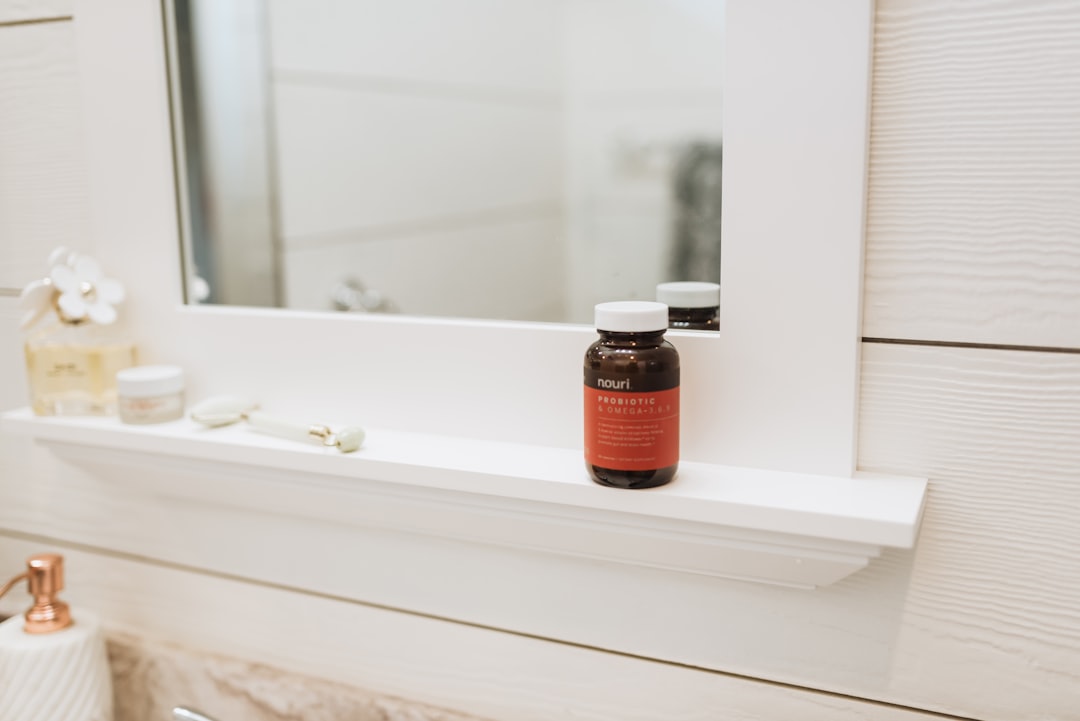
For readers who want a ready-made option that matches the typical maintenance profile described above, consider the store’s top-ranked hair-skin-nails formula. It lists substantial biotin, vitamin C and supporting nutrients at non-proprietary doses and fits the common use case of general maintenance and nail support.

When to expect results and how to track progress
Hair and nail growth is slow. Expect to wait 8–12 weeks before noticing differences in nail strength or hair shine and up to 4–6 months for substantial changes. Track progress with photos, a simple journal noting breakage or new growth, and repeat labwork only when clinically indicated.
Quick buying and usage tips
- Choose products that list each ingredient and dose. Avoid vague “beauty blends.”
- Prefer third-party testing seals (USP, NSF) for quality when available.
- Time supplements by label instructions—some are best with food to improve absorption.
- Keep realistic expectations: supplements support but rarely produce dramatic change alone.
- Have you checked iron and vitamin D levels if you have excessive shedding?
- Does the label list individual ingredient doses (not just a proprietary blend)?
- Is biotin present at a reasonable dose (2,500–5,000 mcg) or clearly justified if higher?
- Are collagen amount and vitamin C included for collagen support?
- Will the supplement interact with any medications you take?
Choose hair, skin & nails vitamins that list evidence-backed ingredients at measurable doses—biotin, vitamin C, collagen, zinc and, when needed, vitamin D or iron. Test for deficiencies first and allow several months to see results; supplements help most when paired with balanced diet and targeted care.
Do I need biotin if I eat a balanced diet?
Most people get enough biotin from food; supplementation helps primarily if you have a deficiency or specific nail/hair issues. High doses are not universally necessary.
Will collagen powder work better than a multi-vitamin?
Collagen powders provide amino acids useful for skin support and are often more effective for skin elasticity than low-dose collagen in a multi. Pair with vitamin C for best results.
How long before I see improvements in hair or nails?
Expect initial changes in 8–12 weeks; meaningful improvement in several months. Track with photos and note reduced breakage or faster growth.
Can supplements replace topical treatments?
Not usually. Supplements support internal building blocks while topical treatments address surface or scalp issues; they work best together when appropriate.
Should I take a beauty supplement every day?
Daily use is common for maintenance, but follow label dosing and medical advice—especially for minerals like zinc and iron.