

Practical decision criteria to choose between electric toothbrush vs manual
Start by asking what outcome matters most: better plaque removal, gentler care for sensitive gums, easier technique, lower long-term cost, or travel convenience. The best choice depends less on brand marketing and more on these real-world trade-offs:
- Cleaning effectiveness and clinical outcomes (plaque and gingivitis control).
- Ease of use—how reliably you’ll brush two minutes twice a day with good technique.
- Oral sensitivity and existing dental conditions (receding gums, implants, orthodontics).
- Budget, replacement head cost and long-term ownership expenses.
- Durability, charging and travel habits.
Short answer: who wins quickly
If your priority is the most consistently better plaque removal and you want a “set it and forget it” approach, an electric toothbrush is generally better. If you have an extremely tight budget, travel constraints, or prefer full manual control and already brush well, a manual toothbrush will do the job when used correctly.
How they compare on real performance
Clinical studies and dental guidance find electric toothbrushes—especially sonic and oscillating-rotating designs—are generally superior at reducing plaque and gingivitis versus manual brushing. The advantage is most pronounced for people who struggle with technique, children, the elderly, or anyone with limited dexterity.
That said, a properly performed manual brush routine (soft-bristle, 2 minutes, twice daily, flossing) can come close. The gap narrows when users are motivated and skilled.
Technique and user behavior matter more than the handle
Many people choose electric to avoid learning or maintaining good technique. Electric heads provide rapid micro-movements that compensate for poor brushing patterns and often include timers and pressure sensors to reduce over-brushing. Manual brushing requires conscious control over angle, pressure and timing.
Comfort and special dental needs
People with gum recession, sensitive teeth, braces, implants or limited dexterity usually benefit from an electric brush. The gentle, consistent motion and built-in modes (sensitive, gum care, orthodontic) lower the risk of aggressive scrubbing. Manual brushes can be adapted—smaller heads, extra-soft bristles—but require careful technique.
Cost and maintenance trade-offs
Manual toothbrushes are cheap up front (often under $5) and every three-month replacement is inexpensive. Electric toothbrushes have higher initial cost and ongoing expense for replacement heads. Over several years, an electric brush can cost more, though many find the performance and features justify it.
Consider these numbers when deciding: if you already replace heads regularly and choose a model with affordable replacements, the lifetime cost difference shrinks. If replacement heads are premium-priced, manual wins for pure economy.
Convenience, timers and tech features
Electric brushes typically include a two-minute timer, quadrant pulsing, pressure sensors and app connectivity. These features increase compliance for many users. If you’re someone who skips the clock or brushes inconsistently, an electric brush's automation is a meaningful behavioral advantage.
Travel, battery life and durability
Manual brushes are unbeatable for travel: they’re light, cheap to replace and don’t need charging. Electric toothbrushes vary—some offer weeks of battery life per charge, while others require frequent charging or use AA/AAA batteries. If you travel often without reliable charging, pick an electric model with long battery life or stick with manual.
Environmental and disposal considerations
Manual plastic brushes generate waste every three months. Electric toothbrushes avoid frequent whole-handle disposal, but replacement heads are plastic too and the handle contains electronics that complicate recycling. If minimizing plastic matters, choose brands with recyclable head programs or replaceable brush components and consider bamboo-handled manual options where available.
Which option fits which reader?
- Choose electric if: You want the easiest path to better plaque control, have sensitive gums, braces or limited dexterity, or you respond well to tech features (timer, pressure sensor, app reminders).
- Choose manual if: You’re disciplined about a two-minute routine, you need the lowest upfront cost, you travel a lot without charging access, or you want a simple, low-tech option.
- Consider hybrid approach: Keep an electric for home and a manual for travel, or use manual brushing when you want extra control (after dental work) and electric for everyday cleaning.
Practical product suggestion for a confident switch
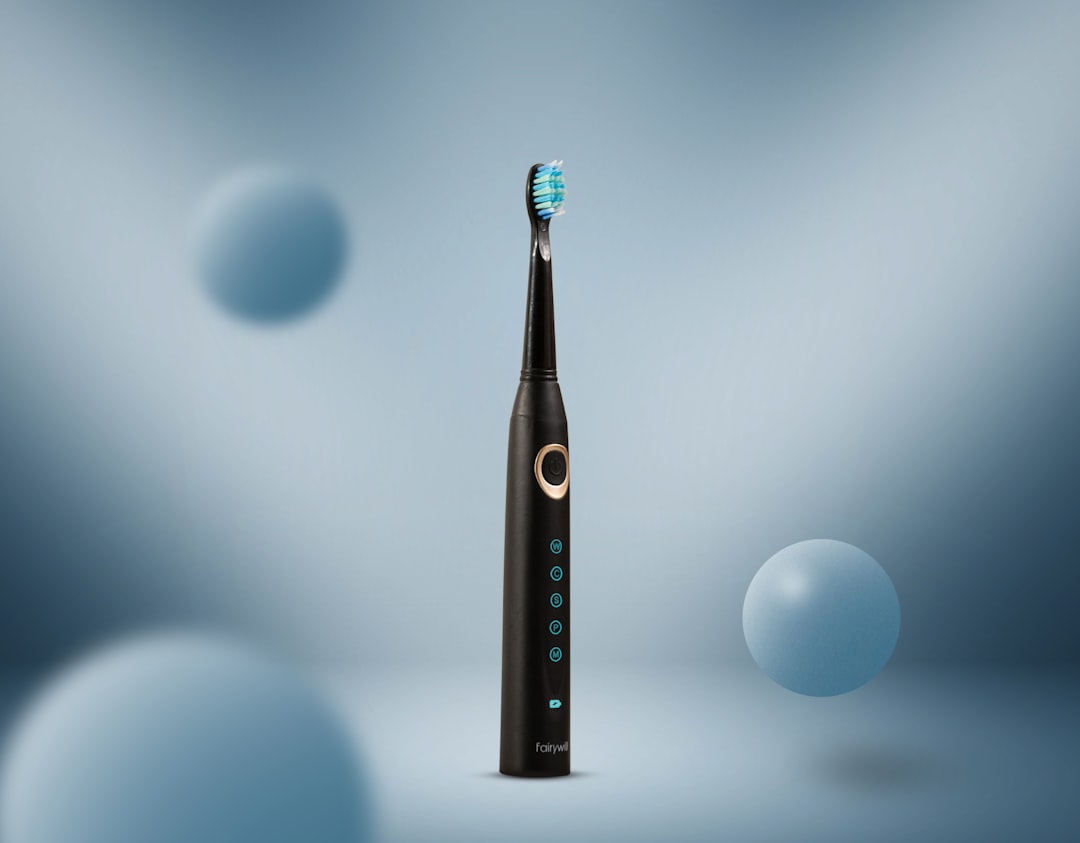
If you decide an electric brush fits your needs, start with a reliable, well-reviewed model that balances performance and replaceable head cost. For most readers wanting a clear upgrade path, choose a proven sonic option that has sensitive and gum-care modes and widely available replacement heads.
How to switch from manual to electric without problems
- Begin by using the sensitive or standard mode for the first week to let gums adjust.
- Keep movements gentle—let the brush do the work; glide the head slowly across each tooth rather than scrubbing.
- Use the two-minute timer and change quadrants every 30 seconds; floss daily to complement brushing.
- Replace heads every 3 months or sooner if bristles splay; follow manufacturer guidance for charging and storage.
- Decide which outcome matters most: plaque control, gentleness, cost or travel convenience.
- Check replacement head availability and price for electric models you consider.
- Look for soft bristles and a timer in either electric or manual choice.
- Choose an electric model with a pressure sensor if you tend to scrub aggressively.
- Plan how you’ll replace heads every ~3 months and how you’ll charge the device while traveling.
An electric toothbrush generally delivers better, more consistent cleaning with less technique sensitivity—especially useful for people with gum issues, braces, or limited dexterity. A manual toothbrush remains a valid, low-cost option if you’re disciplined about proper brushing technique and travel often. Pick the tool that fits your habits, budget and dental needs, not the flashiest feature list.
Do electric toothbrushes remove more plaque than manual ones?
Yes—on average electric brushes, particularly sonic and oscillating types, remove more plaque and reduce gingivitis more effectively, especially for users who otherwise brush poorly.
Are electric toothbrushes bad for receding gums?
No—when used correctly on a gentle setting, electric brushes can be safer than aggressive manual scrubbing; avoid hard pressure and choose soft-bristle heads.
How often should I replace an electric brush head?
Replace every three months or when bristles show wear; replace sooner after illness to reduce bacterial transfer.
Can children use electric toothbrushes?
Yes—many electric brushes have child-friendly heads and modes; they often improve brushing time and coverage for kids who struggle with technique.
Is the added cost of electric toothbrushes worth it?
It depends on your priorities: if you value ease, better plaque control and compliance features, many users find the investment worthwhile; for strict budget constraints, a high-quality manual brush used correctly is effective.