

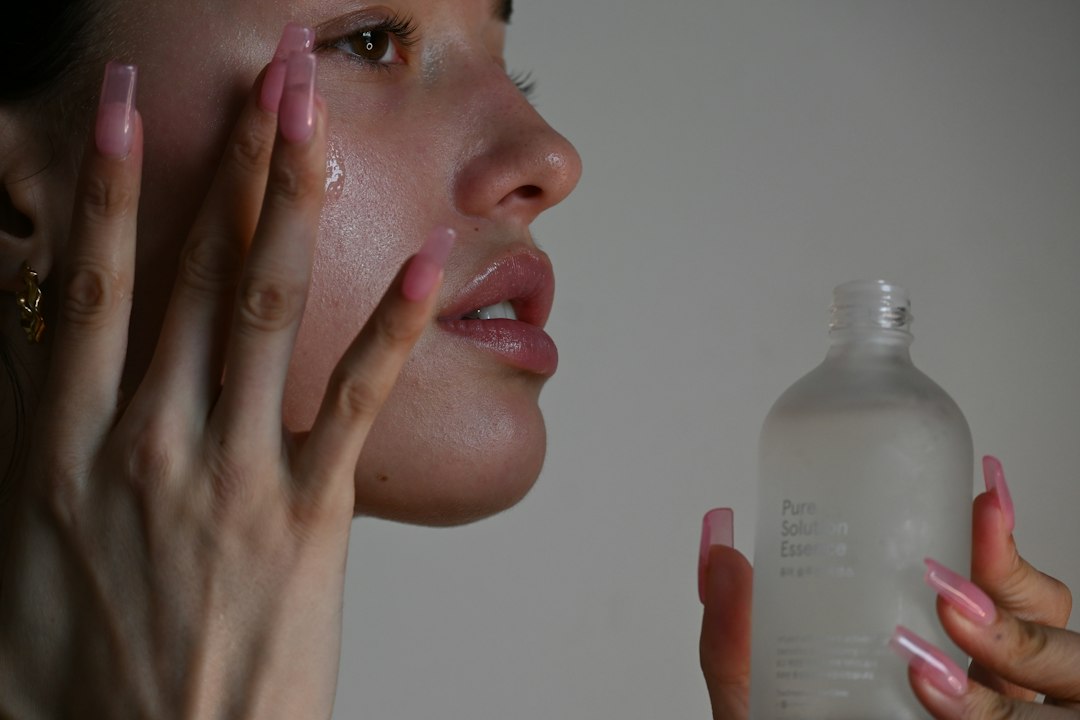
That post-shower tight, itchy feeling — what it tells you
You step out of the shower, pat your face dry and it feels tight or flaky, or contrarily, your T-zone still looks shiny. Choosing facial cleanser starts with noticing these everyday signs: how your skin feels immediately after cleansing, how it reacts later in the day, and what problems you actually want to fix (breakouts, sensitivity, dryness, or makeup removal).
What actually matters when you choose facial cleanser
Before texture or brand, check four practical factors that determine whether a cleanser will help or harm your skin:
- Simplified goal: remove dirt/makeup, control oil, hydrate, or treat acne. A cleanser should be chosen to match one primary goal.
- Skin reaction, not assumptions: oily skin still needs hydration; dry skin can be sensitive to strong surfactants. Watch how skin behaves after washing.
- Ingredients over buzzwords: look for surfactants, emollients and actives that suit your goal (examples below).
- pH and gentleness: ideal cleansers are close to skin pH (around 5.5) and avoid unnecessary harsh detergents that strip natural oils.
Match cleanser types to common use cases
Below are realistic use cases and the cleanser types that work best for each.
1. If you have oily or acne-prone skin
Choose a water-based gel, foam, or mild foaming cleanser that removes excess oil without stripping. Look for salicylic acid (BHA) if you get clogged pores, or benzoyl peroxide for inflammatory acne (but not usually in the same product as a gentle cleanser).
- Why: salicylic acid penetrates pores to loosen sebum and debris; foaming textures remove surface oil efficiently.
- Watch out: avoid high-foaming sulfate detergents and alcohol-heavy formulas that trigger rebound oiliness.
2. If you have dry or dehydrated skin
Pick a cream, milk, or balm cleanser with gentle surfactants and hydrating ingredients such as glycerin, hyaluronic acid, squalane or ceramides. These remove impurities while preserving the skin’s moisture barrier.
- Why: creamy textures are less likely to leave you feeling tight; humectants and oils maintain hydration.
- Tip: use lukewarm water and avoid vigorous rubbing.
Minimalist formulas with very few ingredients, fragrance-free, and labeled for sensitive skin are safest. Look for non-foaming milks or micellar water if irritation is frequent. Avoid strong acids or physical scrubs in your cleanser.
4. If you wear makeup or sunscreen daily
Double cleanse: start with an oil, balm, or micellar product to dissolve makeup and sunscreen, then follow with your regular cleanser to remove residue. This routine clears pores without overstripping when done correctly.
[h3]5. If you want a multitasking routine for morning vs evening[/h3]Use a gentle, pH-balanced cleanser in the morning to remove sweat and nighttime skincare residue. In the evening, consider a double cleanse if you used heavy makeup or SPF; otherwise a single gentle cleanser is fine.
Common ingredients and what they do (quick reference)
- Salicylic acid (BHA): exfoliates inside pores — good for blackheads and oily skin.
- Glycolic/lactic acid (AHAs): surface exfoliation — use sparingly in cleansers if your skin tolerates acids.
- Hyaluronic acid, glycerin: hydrate and help retain moisture.
- Squalane, ceramides, fatty alcohols: barrier-repairing emollients for dry/aged skin.
- Sulfates (SLS, SLES): strong foaming agents — effective but more likely to dry or irritate sensitive/dry skin.
- Fragrance/essential oils: can sensitize; avoid if you have reactive skin.
How to test a cleanser before committing
- Patch test: apply a small amount behind the ear or on the inner wrist for 48 hours to watch for irritation.
- One-week live test: use morning and evening (or as recommended) and note immediate feel, mid-day oiliness, and any new redness or breakouts.
- Adjust frequency: if a product is slightly drying but effective against acne, reduce use to once daily or alternate nights.
When a specific product helps: one recommendation that fits many readers
If you need one reliable choice while you figure out your long-term routine, consider a gentle, pH-balanced gel or cream cleanser with minimal fragrance and at least one hydrating ingredient. For makeup-heavy evenings, add an oil or balm as the first step of a double cleanse.
Special situations and trade-offs
Using acids in a cleanser speeds rinsing but gives less contact time than a leave-on serum, so if you need real chemical exfoliation, a dedicated serum or treatment is usually more effective. If you’re treating acne with prescription meds, coordinate cleanser actives with your prescriber — some combinations (like strong retinoids plus harsh cleansers) increase irritation.
Small care and buying checks before you open the bottle
- Read ingredient order: higher placement means greater concentration.
- Favor fragrance-free if you experience redness or frequent irritation.
- Match texture to routine: oils/balms for makeup removal, gels/foams for oil control, creams/milks for hydration.
- Consider sample sizes or travel sizes to test a product without waste.
- Identify your main cleansing goal (makeup removal, oil control, hydration, acne care).
- Check for harsh sulfates or added fragrance if you’re sensitive.
- Look for one or two supportive ingredients (salicylic acid, glycerin, ceramides, etc.).
- Patch-test and try for at least one week before deciding.
- Plan whether you’ll double-cleanse evenings or use a single gentle wash.
Choosing a facial cleanser is about matching type and ingredients to what your skin actually needs. Start with your primary goal, prioritize gentleness and appropriate actives, and test briefly to confirm your skin responds well.
How often should I wash my face?
Twice daily—morning and evening—is standard; oily or sweaty skin may need an extra gentle wash after exercise. Avoid over-washing, which can strip oils and worsen problems.
Can one cleanser work for both morning and night?
Yes, a gentle, pH-balanced cleanser can work for both; however, if you wear heavy makeup or SPF, use an oil or balm first in the evening for thorough removal.
Are micellar waters good as sole cleansers?
Micellar water can be fine for light cleansing or quick mornings, but it may not remove heavier sunscreen/makeup as reliably as oil cleansers or foaming washes.
Is foaming better for oily skin?
Foaming cleansers can help remove excess oil but choose gentle formulas without strong sulfates—overly stripping foams can trigger rebound oil production.
When should I see a dermatologist about cleansers?
If your skin reacts with prolonged redness, burning or worsening acne despite switching to gentle products, consult a dermatologist to rule out underlying conditions or to get treatment-aligned advice.