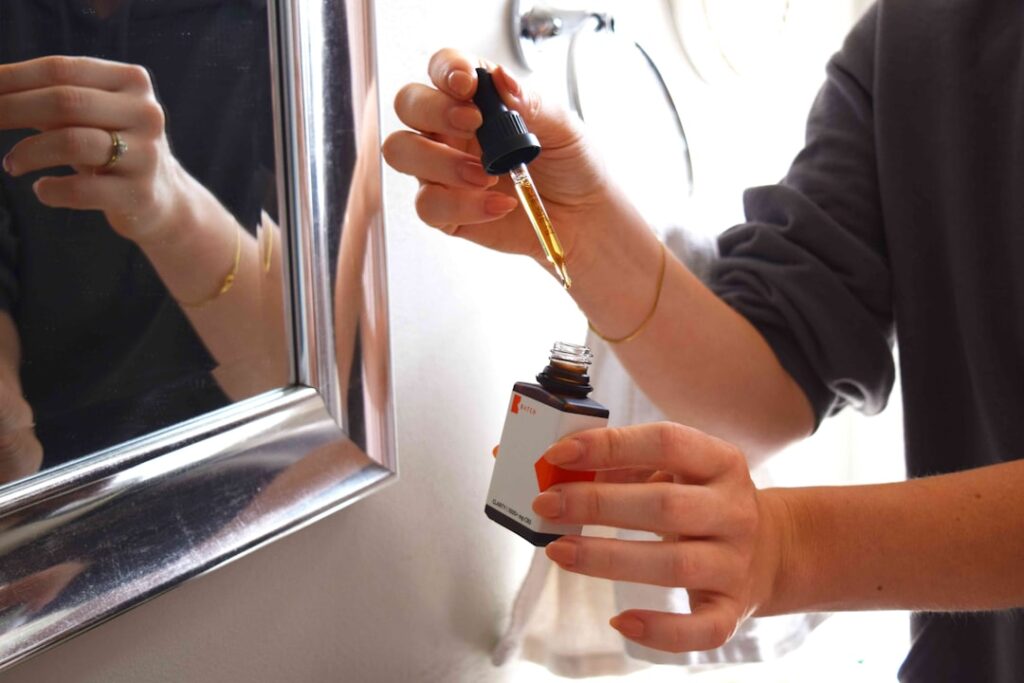



Picture this: you’re at your bathroom mirror with three half-empty bottles and no idea which one to use first.
Start by asking the single useful question: what result do you want? The answer determines which face serum ingredients to choose. If you want hydration, look for hyaluronic acid and glycerin. For uneven tone or dullness, prioritize stable vitamin C (ascorbyl glucoside or MAP). To smooth fine lines and support collagen, look for retinoids or peptides. For redness-prone or easily irritated skin, choose niacinamide, azelaic acid, or soothing antioxidants.
Face serum ingredients: the quick match to common goals
- Hydration: Hyaluronic acid (different molecular weights), glycerin, panthenol. Use both morning and night under moisturizer.
- Brightening / hyperpigmentation: Vitamin C (stabilized forms), niacinamide, azelaic acid, kojic acid. Use vitamin C in morning with sunscreen.
- Anti-aging / smoothing: Retinol (or retinal/retinoids), peptides, bakuchiol (a gentler plant alternative). Start low frequency and build tolerance.
- Acne-prone / congestion: Salicylic acid (BHA), niacinamide, azelaic acid. Use leave-on BHA serums for pores, avoiding over-drying ingredients.
- Sensitivity & redness: Niacinamide, azelaic acid, centella asiatica, colloidal oatmeal, ceramide-containing serums.
- Antioxidant protection: Vitamin C, vitamin E, ferulic acid, green tea extract. Combine thoughtfully to boost sun-damage prevention (but not as sunscreen).
Why those ingredients work — and important exceptions
Serums are concentrated, lightweight vehicles designed to deliver active molecules at usable levels. Hyaluronic acid draws and holds water in the skin but won’t replace occlusion—always follow with a moisturizer. Retinoids increase cell turnover and collagen signaling but can cause flaking and sensitivity; they require gradual introduction and sunscreen. Vitamin C provides antioxidant and brightening effects, but unstable L-ascorbic acid oxidizes easily—if a product smells off or turns brown, its potency has likely dropped.
Niacinamide is unusually versatile: it reduces redness, controls oil, improves barrier function and helps with tone. It pairs well with most other actives, but very acidic formulations (pH <3) can temporarily reduce its effectiveness—this is mainly a theoretical concern for most off-the-shelf serums, not everyday users.
How to build a simple, safe serum routine
Keep the routine decision tree small:
- Decide primary goal (hydration, brightening, anti-aging, acne control, calming).
- Choose one targeted serum for that goal. Beginners should start with one active serum, used for 4–8 weeks to judge effects.
- If adding a second serum, layer by texture: watery/liquid serums first, then thicker gel or lightweight oil serums, then moisturizers and sunscreen.
- Introduce irritant actives (retinol, BHAs) slowly: start 1–3 nights/week and increase frequency as tolerated.
Combining ingredients safely
- Vitamin C (most forms) + niacinamide: generally compatible; modern formulations work well together.
- Retinol + vitamin C: effective but can increase irritation; many experts alternate AM/PM (vitamin C in AM, retinol at night).
- Retinol + AHA/BHA: avoid using high-strength acids the same night as retinol to limit irritation—alternate nights.
- Hyaluronic acid + almost anything: safe hydrator to pair with actives.
When in doubt, simplify: use vitamin C in the morning under sunscreen and a retinol-based serum at night, keeping exfoliating acids on separate nights or lower concentrations.
Special cases: oily skin, pregnancy, and sensitive skin
Oily skin benefits from lightweight serums with niacinamide, salicylic acid and oil-free hyaluronic formulations. Avoid heavy oil-based serums that can sit on the surface unless you’re targeting severe dryness.
Pregnancy and breastfeeding require care: avoid prescription retinoids and high-dose oral actives. Gentle options include azelaic acid, vitamin C (topical), and hyaluronic acid—always confirm with a clinician.
For sensitive skin, choose serums labeled for sensitized skin or with simple ingredient lists; patch-test for 24–48 hours. Look for calming ingredients (centella, panthenol) and lower concentrations of potent actives.
Practical product pick to start with
If your immediate need is straightforward hydration and a reliable base to pair with other actives, a hyaluronic acid serum is the least risky, most universally beneficial choice. For a commonly recommended, budget-friendly option available in our catalog, consider:
The Ordinary Hyaluronic Acid 2% + B... (ID 949) is a good introductory hydrating serum to layer under other treatments or moisturizer. Start with a pea-sized amount and apply on damp skin for best results.
- Identify your main skin goal (hydration, brightening, anti-aging, acne, calming).
- Check active concentration and recommended frequency on the label.
- Introduce one new serum for 4–8 weeks before adding another.
- Patch-test potent actives and avoid combining acids with retinol the same night.
- Always finish morning routines with broad-spectrum sunscreen.
Pick a serum based on the single result you want, start slowly, and use layering rules to combine actives safely. For most people, a hyaluronic acid serum is a useful first step.
How soon will I see results from a serum?
Hydration effects can be immediate; visible changes in tone or texture usually take 4–12 weeks depending on the ingredient and consistency of use.
Can I use more than one serum at a time?
Yes—if you layer wisely (lightest to heaviest) and avoid pairing irritant actives like retinol with strong acids on the same night.
Do serums replace moisturizers?
No. Serums deliver actives and hydration, but a moisturizer seals in moisture and supports the skin barrier.
Which ingredient is best for brightening dark spots?
Top options include stabilized vitamin C, niacinamide, and azelaic acid; prescription options or in-office treatments may be needed for deeper pigmentation.