

Start with the result: skin that absorbs what you put on it
Layering skincare products correctly—what to put on first, which actives to separate, and when to wait—means your products do the job you bought them to do. The simple rule to remember: layer from thinnest to thickest, and finish with sunscreen every morning. Use "layer skincare products" to find this exact sequence fast.
1. Cleanse: the mandatory first step
Begin with a gentle cleanser to remove oil, dirt, sunscreen and makeup. For most skin types a water-based cleanser (gel, foam, cream) is ideal. If you double-cleanse, use an oil or balm first to dissolve makeup, then follow with a water-based cleanser.
Pat skin slightly damp—many hydrating ingredients work best on a little moisture.
2. Toner or essence (optional): lightweight prep
If you use a hydrating toner or essence, apply it now. These thin liquids help balance skin pH and briefly prime the skin for serums. Tap or press into skin; avoid cotton pads that can waste product unless you use an exfoliating toner.
3. Treat with serums and targeted products (thin to thick)
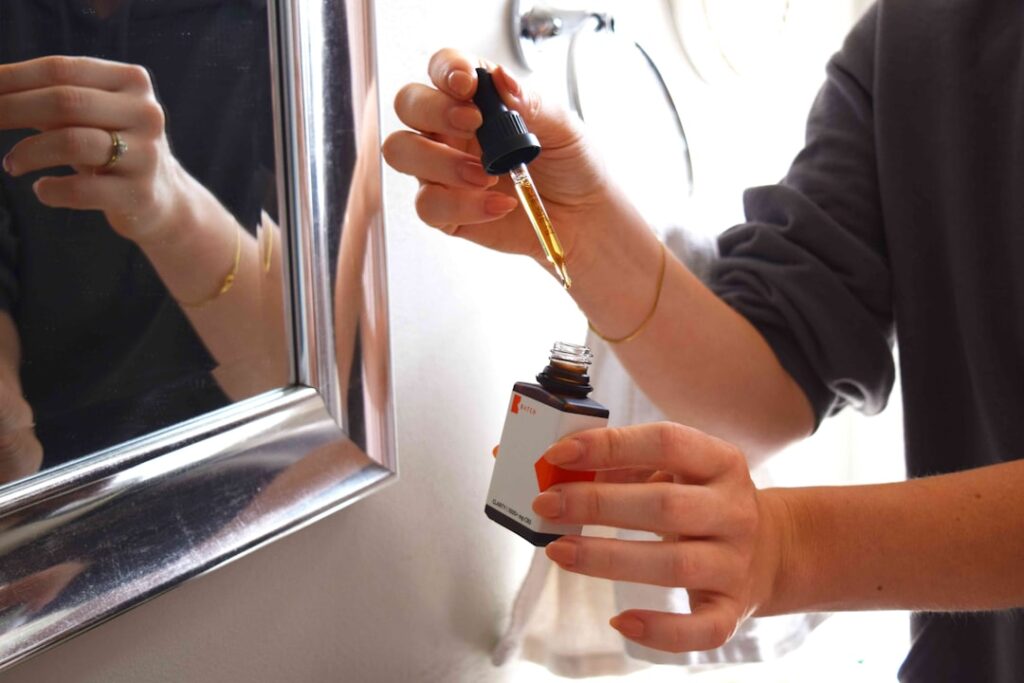
Serums, treatment liquids and ampoules should be applied next in order of viscosity—most serums are lightweight and absorb quickly. Typical morning sequence:
- Antioxidants (vitamin C, ferulic acid) — brightening and free-radical protection.
- Hydrators (hyaluronic acid) — hold water in the skin; apply to slightly damp skin.
- Niacinamide or peptides — barrier support and texture improvement.
Evening treatments—chemical exfoliants (AHAs/BHAs) and retinoids—belong in the treatment slot but follow additional compatibility rules below.
4. Thicker actives and spot treatments
Follow serums with any thicker actives such as prescription creams, azelaic acid gels, or acne spot treatments. Because they are denser, they form a barrier that helps them stay in place under moisturizer.
5. Eye cream and lightweight moisturizers
Apply eye cream before face moisturizer if the eye product is thinner; otherwise either order is acceptable. Then use your facial moisturizer (lotion, cream or gel) to lock in active ingredients and hydrate. Consider texture: gels for oily skin, creams for dry skin.
6. Face oil and thicker occlusives (last in PM)
Oils and heavy ointments should be the final step at night when used—apply them over moisturizer to seal hydration. If you use both a silicone-based or heavy occlusive and an oil, the thicker/sealant product goes last.
7. Sunscreen: always the final step in the morning
Sunscreen must go on after all skincare and before makeup. Use a broad-spectrum SPF 30 or higher and apply generously (about a nickel to quarter-sized amount for face and neck) and reapply every two hours if exposed.
Timing: when to wait between layers
Most serums and lightweight products can be layered immediately with a few seconds for absorption. However:
- Wait 20–30 minutes after applying strong acids (AHA/BHA) before applying retinol to reduce irritation and avoid pH conflicts.
- If you apply a highly active serum (concentrated vitamin C or strong retinoid), waiting 1–2 minutes lets it absorb and reduces pilling when you apply moisturizer.
- Hydrators like hyaluronic acid benefit from being applied to damp skin and then sealed with moisturizer right away.
Common compatibility rules and trade-offs
Knowing what not to mix is as important as order:
- Vitamin C (L-ascorbic acid) and niacinamide: generally safe together in modern formulations, but if you react, use vitamin C in the morning and niacinamide at night.
- Acids (AHA/BHA) + retinol: both increase cell turnover and can cause irritation when layered. Use acids on alternate nights or separate by 20–30 minutes and monitor skin tolerance.
- Retinol + strong vitamin C: can be drying or irritating; consider vitamin C in AM and retinol at PM.
- Use benzoyl peroxide and retinoids cautiously together; they can deactivate each other or increase irritation—spot treat acne with benzoyl peroxide and use retinoid globally, or alternate nights.
What to change when your skin reacts
If you get redness, stinging or flaking, scale back to a basic routine: cleanser, moisturizer and sunscreen (AM), cleanser, moisturizer and a gentle retinoid or targeted treatment (PM). Reintroduce actives one at a time every 1–2 weeks.
When one product can replace several steps
Multi-taskers simplify layering: hydrating serums with added niacinamide, moisturizers with SPF (if you’ll be outdoors briefly), or retinol combined with peptides. When using an all-in-one, follow the same thin-to-thick rule and still apply a separate sunscreen if the product’s SPF is low or you need full outdoor protection.
Product recommendation for a solid start
If you’re building a routine and want a gentle, reliable cleanser to begin every session, consider the following store option that fits most skin types and minimizes disruption to serums and actives.
- Cleanse to remove makeup and sunscreen.
- Apply lightweight liquids (toner/essence) while skin is slightly damp.
- Layer serums from thinnest to thickest.
- Separate strong actives (acids/retinol) by time or nights.
- Use moisturizer to seal serums and oil last if used.
- Finish with sunscreen every morning.
Layer skincare products by texture—thin to thick—and by compatibility. Prioritize barrier-supporting moisturizer and daily sunscreen; simplify if irritation occurs. Consistency beats complexity.
Do I need to wait for each product to dry before applying the next?
Not usually. Small waits of a few seconds are fine for lightweight products; allow 20–30 minutes after strong acids before adding retinol to reduce irritation.
Can I use vitamin C and retinol together?
They can be effective when separated (vitamin C in the morning, retinol at night) to reduce irritation and because their peak benefits occur at different times.
Should I put eye cream before or after moisturizer?
Apply thinner eye products first; if the eye cream is thicker, either order works. The goal is to avoid rubbing and to let active ingredients absorb.
How much sunscreen should I use on my face?
Use about a nickel to quarter-sized amount for the face and neck; don’t forget ears and hairline. Reapply every two hours if exposed.
What’s the easiest routine for sensitive skin?
Stick to cleansing, a fragrance-free moisturizer, and sunscreen in the morning; introduce one gentle active at a time at night (like a low-strength retinoid or azelaic acid).